
Reliable health information from our medical team.
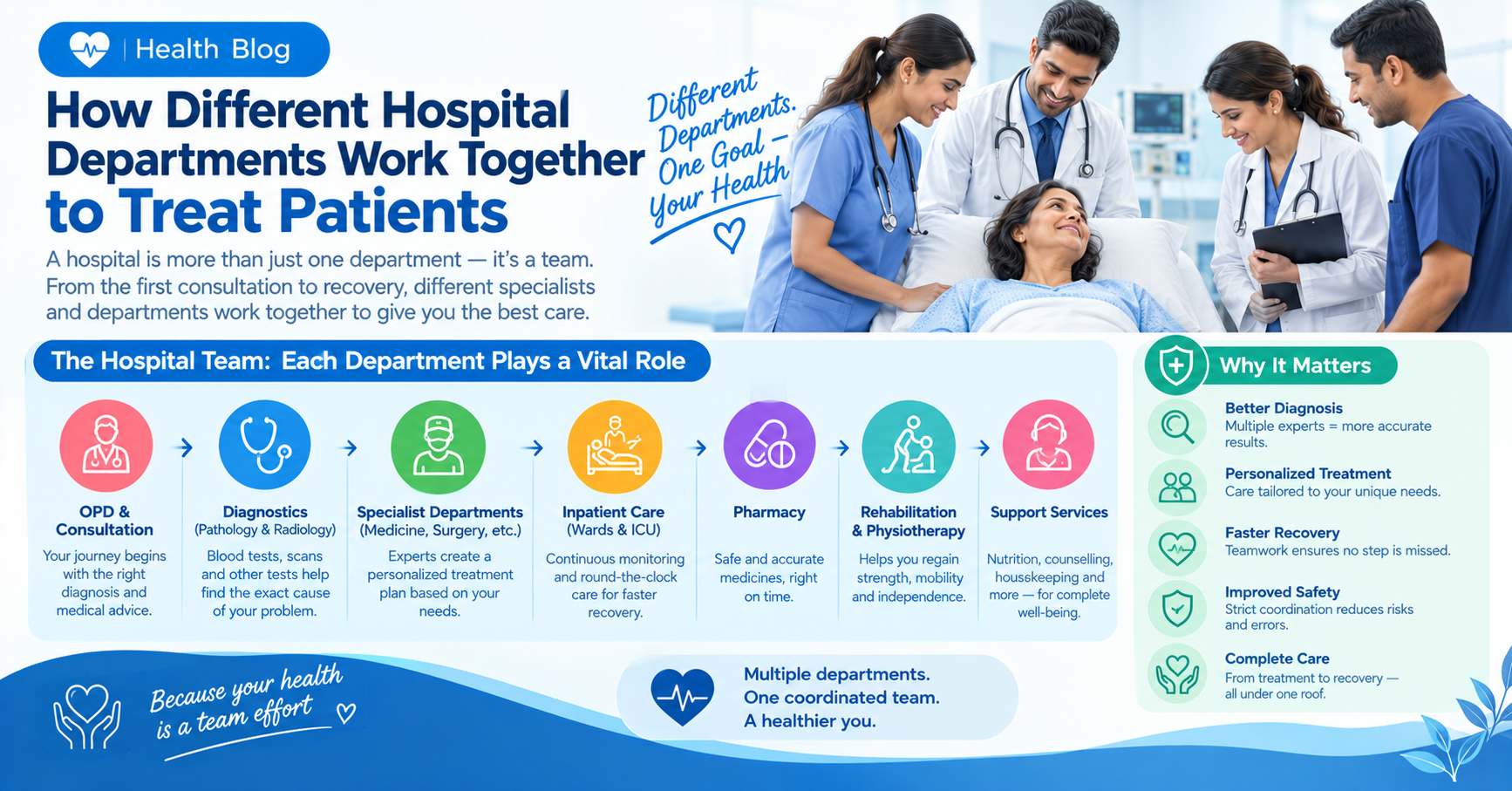
Hospital departments work together to provide coordinated patient care, from the first consultation and diagnostic tests to specialist treatment, surgery, recovery, and follow-up. Learn how teamwork between hospital departments supports safer and more effective healthcare.
Read More →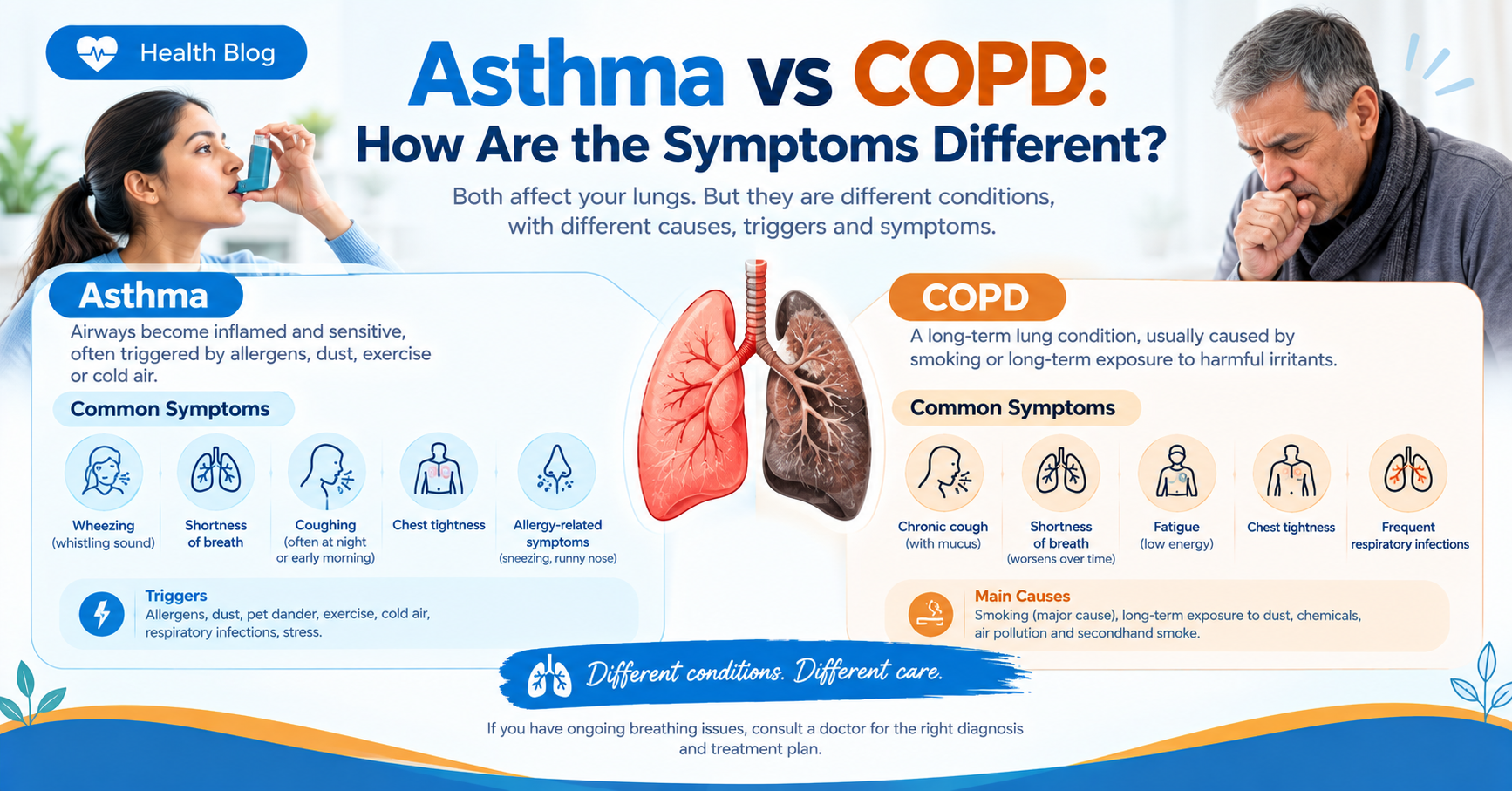
Asthma and COPD can both cause breathing problems, coughing, wheezing, and chest tightness, but they are different conditions. Learn how their symptoms differ, what causes them, and when to consult a doctor.
Read More →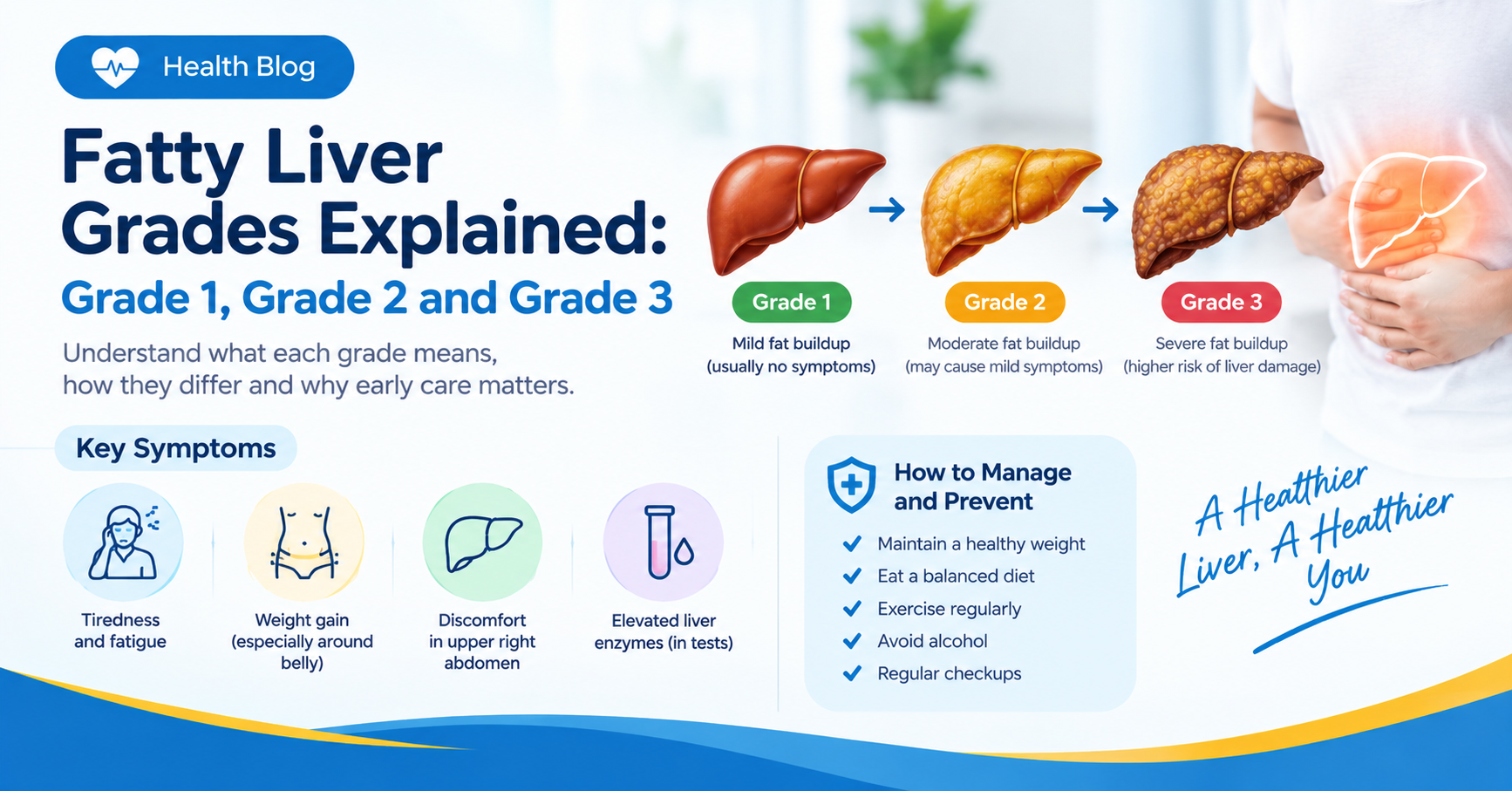
Learn what Grade 1, Grade 2, and Grade 3 fatty liver mean, how fatty liver is diagnosed, common symptoms and causes, possible complications, and when medical evaluation is important.
Read More →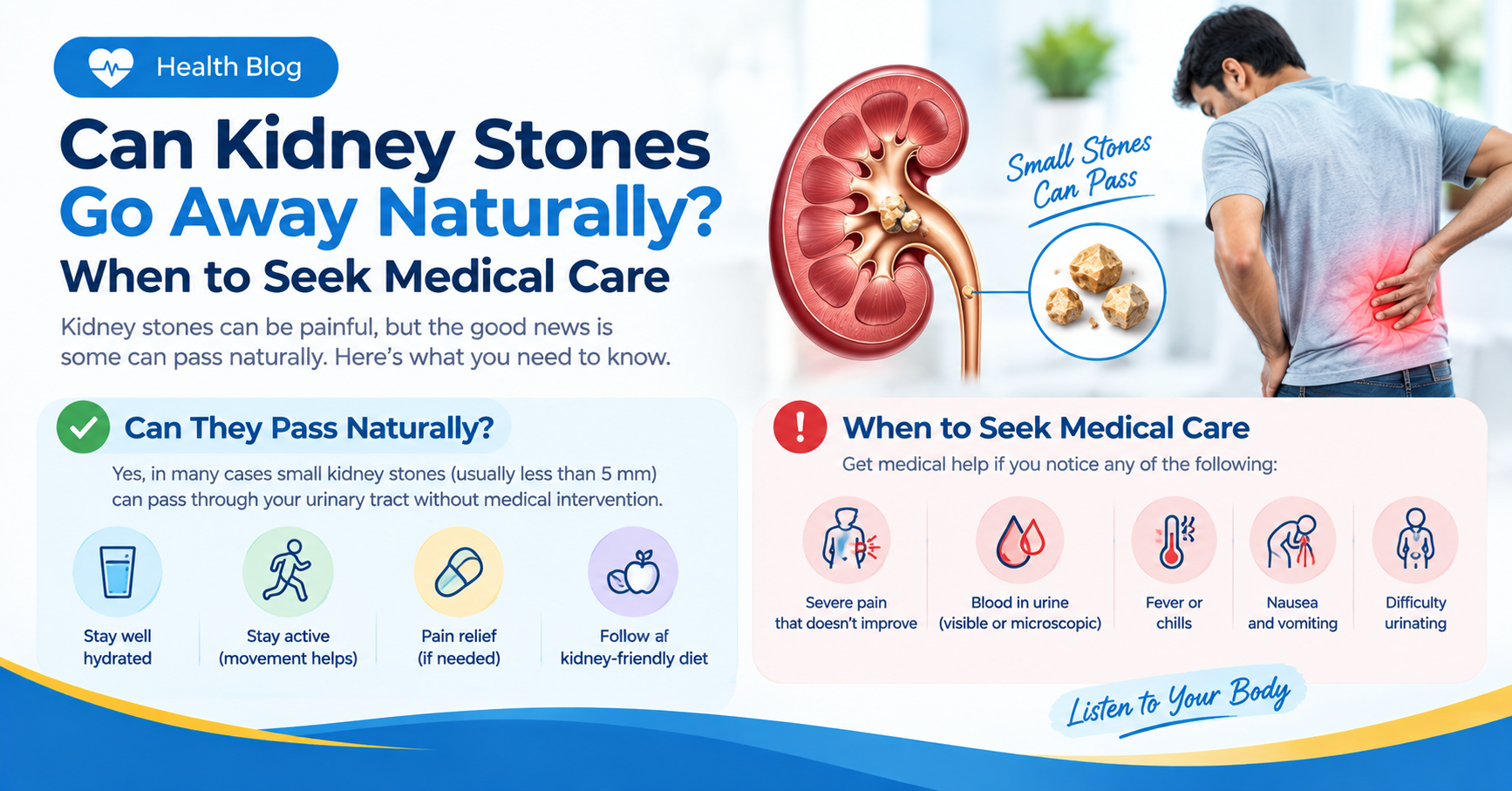
Small kidney stones may sometimes pass naturally without a procedure, but larger or blocked stones may need medical treatment. Learn when kidney stones can pass on their own and when to seek medical care.
Read More →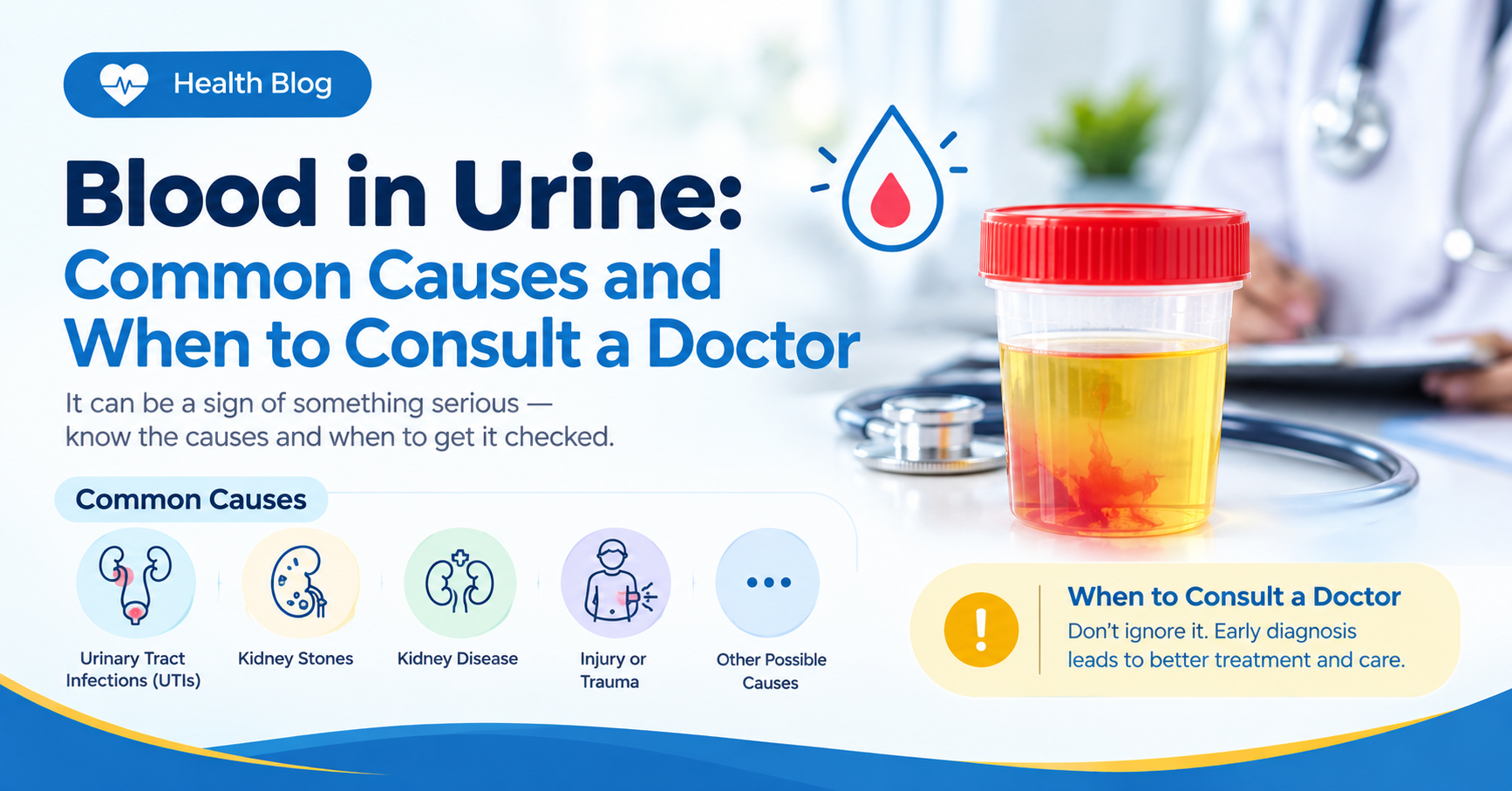
Blood in urine can have several causes, from urinary infections and kidney stones to kidney or bladder conditions. Learn the common causes, warning signs, diagnosis, and when to consult a doctor.
Read More →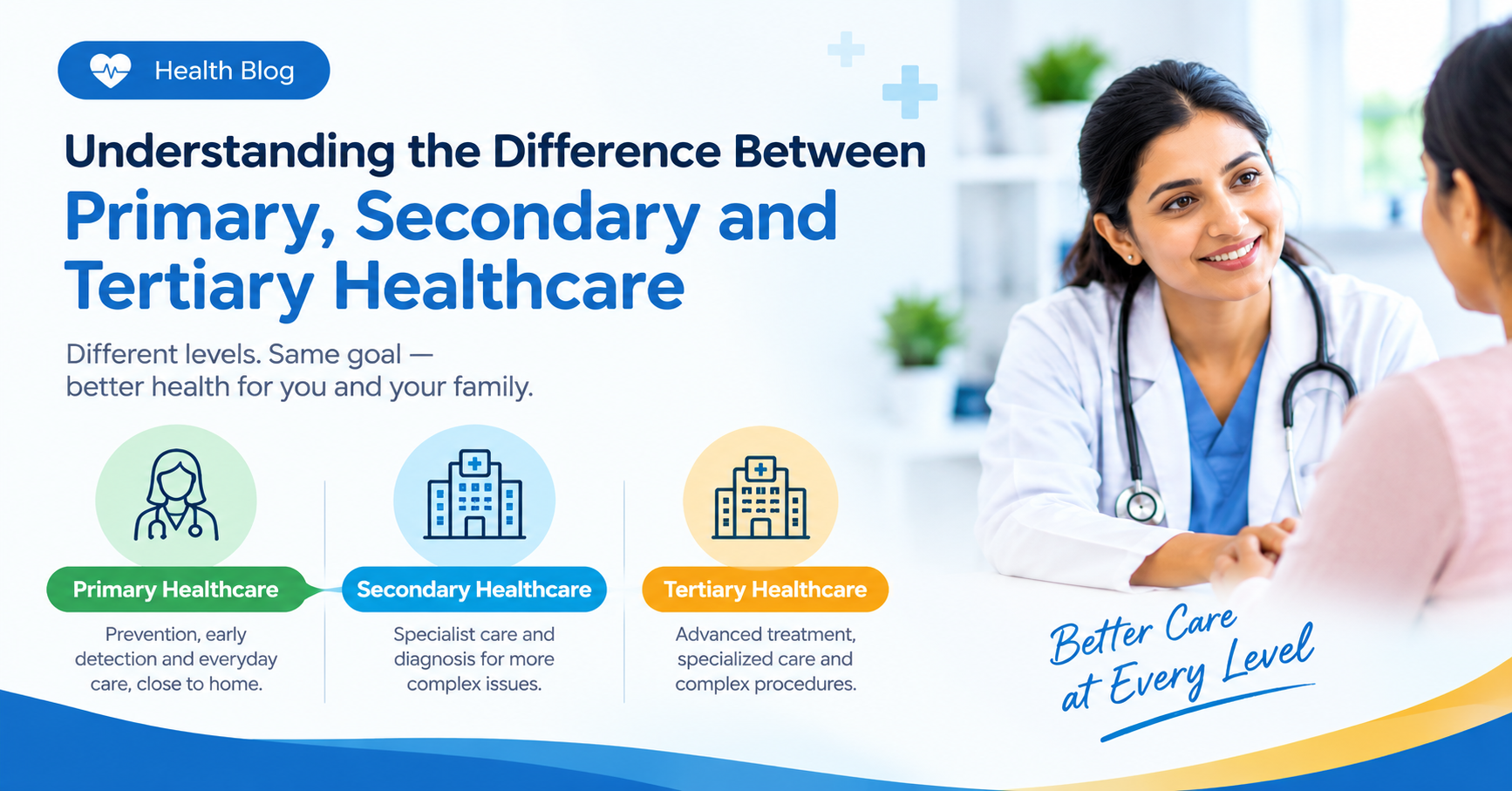
Understand the difference between primary, secondary, and tertiary healthcare, what each level provides, when you may need them, and how they work together for complete patient care.
Read More →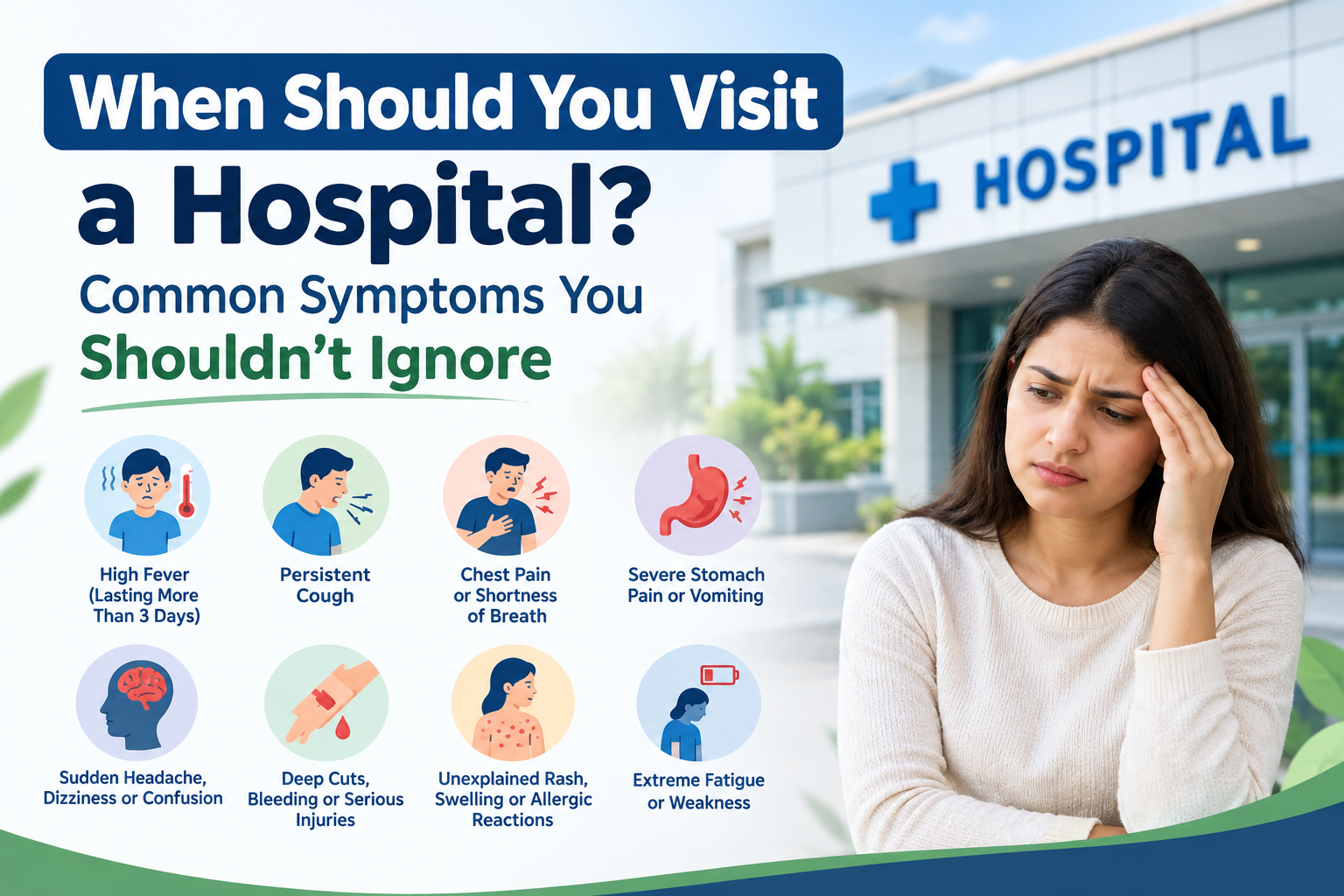
Learn which common symptoms may require a hospital visit and why timely medical attention can be important for preventing complications and protecting your health.
Read More →
Learn about 10 common women's health problems, their warning signs, risk factors, and practical prevention tips for better health at every stage of life.
Read More →