When Should You Visit a Hospital? Common Symptoms You Shouldn’t Ignore

Pawan Hospital
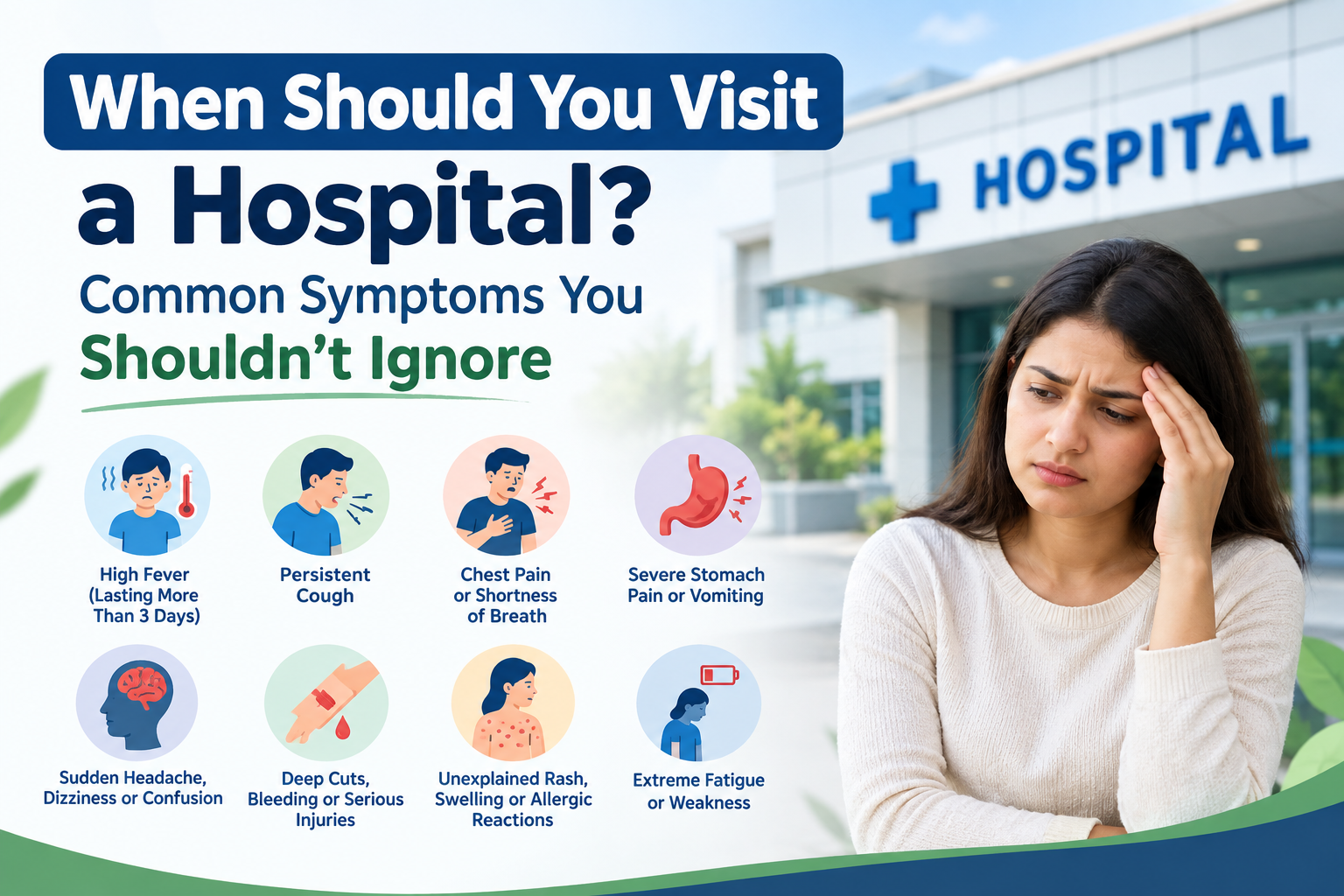
Not every health problem requires a hospital visit. A mild headache, temporary tiredness, or a minor cold may often improve with rest and routine care. However, some symptoms can indicate a serious medical problem and should never be ignored.
Knowing when to seek medical attention can make an important difference, especially when symptoms appear suddenly, become severe, or continue to get worse. In some situations, delaying treatment can increase the risk of complications.
Many serious health conditions do not always begin with dramatic symptoms. Sometimes, the early warning signs may appear similar to an ordinary illness. This is why it is important to pay attention to unusual changes in your body and seek professional medical advice when something does not feel right.
At Pawan Hospital, Jaipur, patients can seek medical evaluation and appropriate healthcare support for a wide range of health concerns. Understanding common warning signs can help you make a better decision about when medical attention may be necessary.
1. Chest Pain or Pressure
Chest pain is one of the symptoms that should never be casually ignored, particularly when it is sudden, severe, persistent, or associated with other symptoms.
Chest discomfort can have many causes, including acidity, muscle strain, anxiety, or respiratory problems. However, it can also be a warning sign of a serious heart-related condition.
Pain or pressure in the chest accompanied by sweating, nausea, dizziness, weakness, shortness of breath, or pain spreading toward the arm, shoulder, back, neck, or jaw requires urgent medical attention.
Do not try to determine the cause yourself if chest pain is severe or unusual. Seeking immediate medical evaluation is safer than waiting for the symptoms to disappear.
2. Difficulty in Breathing
Breathing difficulty can occur because of several conditions, ranging from respiratory infections and asthma to heart or lung problems.
Mild breathlessness after intense physical activity may be normal for some people, but sudden or unexplained difficulty breathing should be taken seriously. If you feel unable to breathe comfortably, have severe breathlessness at rest, or experience breathing difficulty along with chest pain, bluish lips, confusion, or fainting, urgent medical care may be required.
People with known heart or lung conditions should follow the emergency plan provided by their doctor and seek help if their symptoms suddenly become worse.
3. Severe or Sudden Headache
Headaches are common and are often caused by factors such as stress, lack of sleep, dehydration, or other relatively minor conditions. However, a sudden and extremely severe headache that feels different from your usual headaches can require urgent medical assessment.
A severe headache accompanied by weakness, difficulty speaking, confusion, vision changes, loss of balance, fainting, seizures, or repeated vomiting should not be ignored.
Prompt evaluation is particularly important when a headache appears suddenly or follows a head injury.
4. Sudden Weakness, Numbness, or Difficulty Speaking
Sudden weakness or numbness, particularly on one side of the body, can be a warning sign of a stroke. Other possible signs include facial drooping, difficulty speaking or understanding speech, sudden vision problems, loss of balance, or severe unexplained dizziness.
Stroke treatment is highly time-sensitive. Waiting to see whether symptoms improve can result in the loss of valuable treatment time.
If these symptoms appear suddenly, seek emergency medical care immediately.
5. Very High or Persistent Fever
Fever is often the body's response to an infection, and many mild infections can be managed with appropriate home care and medical advice. However, very high fever, persistent fever, or fever accompanied by serious symptoms may require medical evaluation.
Adults or children with fever accompanied by difficulty breathing, severe weakness, confusion, seizures, persistent vomiting, severe dehydration, or other concerning symptoms should receive prompt medical attention.
The seriousness of fever also depends on age, overall health, underlying medical conditions, and the symptoms occurring alongside it.
6. Severe Abdominal Pain
Abdominal pain can have many causes, including indigestion, constipation, food-related problems, infections, and other conditions. However, severe, sudden, persistent, or worsening abdominal pain should not be ignored.
Severe pain accompanied by repeated vomiting, abdominal swelling, blood in vomit or stool, high fever, fainting, or significant weakness may require urgent evaluation.
Rather than relying on painkillers or home remedies for persistent severe pain, consult a healthcare professional to identify the underlying cause.
7. Uncontrolled Bleeding
Minor cuts and injuries may usually be managed with basic first aid. However, bleeding that is heavy, does not stop with appropriate pressure, or occurs without an obvious reason requires medical attention.
Blood in vomit, stool, urine, or coughing up blood can also indicate a potentially serious problem and should be medically evaluated.
Women experiencing unusually heavy vaginal bleeding, especially during pregnancy or after menopause, should also seek appropriate medical advice.
8. Repeated Vomiting or Severe Dehydration
Occasional vomiting can occur due to infections, food-related illness, medication side effects, or other conditions. However, repeated vomiting can result in dehydration and may sometimes indicate a more serious medical problem.
If you are unable to keep fluids down, have very little urine, severe weakness, dizziness, confusion, or signs of significant dehydration, medical attention may be necessary.
Children, older adults, pregnant women, and people with certain chronic conditions can become dehydrated more quickly and may require earlier medical assessment.
9. Fainting or Loss of Consciousness
Fainting can sometimes occur because of dehydration, low blood pressure, prolonged standing, or other relatively simple causes. However, unexplained or repeated fainting should be evaluated by a doctor.
If someone loses consciousness and does not quickly recover, has difficulty breathing, experiences chest pain, develops sudden weakness, has a seizure, or becomes confused, emergency medical care is required.
Even if a person feels better after fainting, medical evaluation may be appropriate, particularly if the episode was unexplained or happened more than once.
10. Serious Allergic Reaction
Some allergic reactions can become life-threatening within a short period. Swelling of the lips, tongue, face, or throat, difficulty breathing, wheezing, widespread hives, severe dizziness, or loss of consciousness may indicate a severe allergic reaction.
A person experiencing these symptoms needs urgent medical attention. If they have been prescribed emergency medication for severe allergies, it should be used according to their doctor's instructions while emergency help is sought.
Do not wait for a severe allergic reaction to improve on its own.
11. Severe Injury or Accident
Major injuries caused by road accidents, falls, burns, sports injuries, or other accidents may require immediate medical evaluation even when external injuries appear minor.
Head injuries are particularly important because symptoms of internal injury may not always appear immediately. Loss of consciousness, repeated vomiting, confusion, severe headache, unusual sleepiness, seizures, or changes in behaviour after a head injury require urgent assessment.
Similarly, suspected fractures, severe burns, uncontrolled bleeding, or injuries involving the chest or abdomen should be medically evaluated.
12. Sudden Vision Problems
Sudden loss of vision, double vision, severe eye pain, or a sudden major change in vision can sometimes indicate an urgent eye or neurological problem.
Do not assume that sudden vision changes are simply due to tiredness or excessive screen time. If the change is sudden or severe, seek medical evaluation promptly.
Early assessment can help determine whether the problem requires emergency treatment or specialist care.
13. Severe or Unusual Pregnancy Symptoms
Pregnancy involves many normal physical changes, but certain symptoms should never be ignored. Pregnant women should seek medical advice for heavy vaginal bleeding, severe abdominal pain, severe headache, vision changes, difficulty breathing, chest pain, seizures, fever, or reduced fetal movement later in pregnancy.
Pregnancy-related emergencies can sometimes develop quickly, making timely medical attention particularly important.
Regular antenatal checkups are also essential because some pregnancy complications may not cause obvious symptoms in their early stages.
14. Sudden Confusion or Major Changes in Behaviour
Sudden confusion, unusual drowsiness, difficulty staying awake, or significant changes in behaviour can have many possible causes. In some situations, they may be associated with infections, blood sugar problems, stroke, medication effects, or other serious conditions.
If confusion develops suddenly, particularly in an older adult or a person with other serious symptoms, prompt medical evaluation is recommended.
When Should You Choose a Hospital Instead of Waiting at Home?
A useful general rule is to seek medical attention when symptoms are severe, sudden, rapidly worsening, unusual for you, or accompanied by multiple warning signs.
You should also have a lower threshold for seeking medical care if you have an existing condition such as diabetes, heart disease, kidney disease, asthma, or high blood pressure, or if you are pregnant, elderly, or caring for a young child.
If you are unsure whether a symptom is serious, contacting a healthcare professional can help you decide what level of care is appropriate.
Why Timely Medical Care Matters
Delaying medical care can sometimes allow a health problem to become more difficult to treat. Early diagnosis gives doctors an opportunity to identify the cause of symptoms, start appropriate treatment, and monitor the patient's condition.
For conditions such as stroke, heart attack, severe infections, serious allergic reactions, and certain injuries, treatment may be particularly time-sensitive.
This does not mean that every unusual symptom is an emergency. Instead, it means that persistent, severe, sudden, or concerning symptoms should be taken seriously.
Emergency Care at Pawan Hospital Jaipur
Pawan Hospital provides healthcare services for patients requiring medical evaluation and treatment. If you are experiencing serious or concerning symptoms, timely medical consultation can help determine the appropriate course of care.
For patients searching for a hospital in Jaipur, multispecialty hospital in Jaipur, or hospital in Amer Road Jaipur, Pawan Hospital is located on Amer Road and provides access to a range of healthcare services.
In a genuine medical emergency, do not delay seeking emergency medical assistance while trying to diagnose the condition yourself.
How to Be Prepared for a Medical Emergency
Being prepared can make it easier to respond calmly when an emergency occurs. Keep important medical information accessible, including current medications, known allergies, existing medical conditions, and emergency contact details.
Families should also know the location of their nearest suitable hospital and understand how to access emergency medical services when required.
Regular health checkups are another important part of prevention. Monitoring blood pressure, blood sugar, cholesterol, and other health indicators can help identify potential problems before they become serious.
Conclusion
Knowing when to visit a hospital can help you respond appropriately when unexpected health problems occur. Symptoms such as severe chest pain, difficulty breathing, sudden weakness, severe abdominal pain, uncontrolled bleeding, loss of consciousness, serious allergic reactions, and sudden changes in vision or speech should never be ignored.
Not every symptom requires emergency care, but severe, sudden, persistent, or rapidly worsening symptoms deserve medical attention.
Your body often gives you warning signs when something is wrong. Listening to those signs, seeking timely medical advice, and maintaining regular health checkups can help protect your health and reduce the risk of complications.
If you are concerned about a symptom, it is always better to seek appropriate professional medical advice rather than relying solely on online information or home remedies.
Pawan Hospital
Author