Top 10 Women's Health Problems and Their Prevention

Pawan Hospital
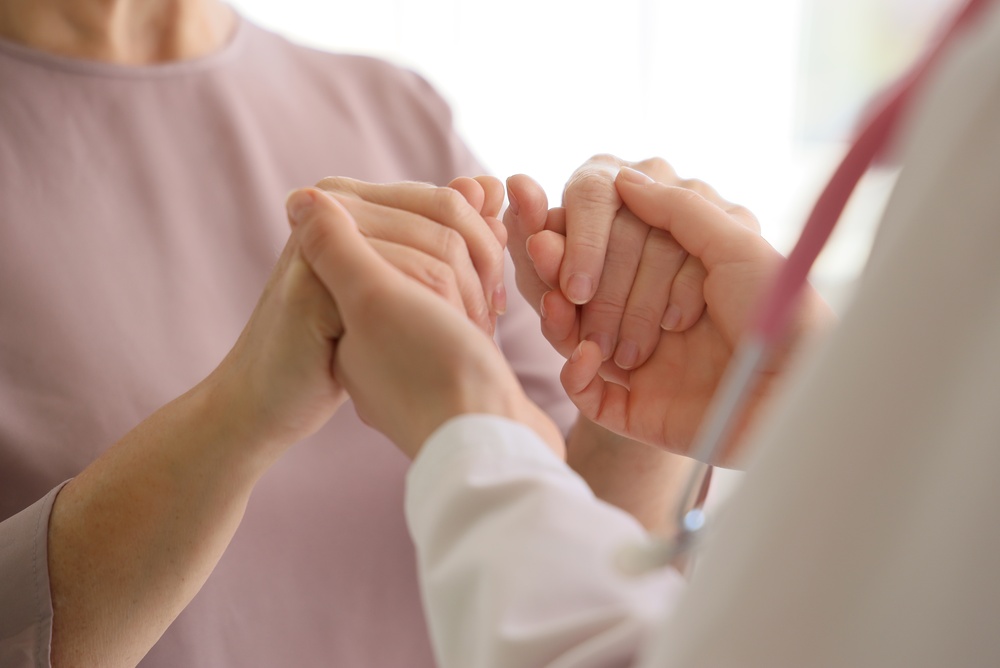
Women's health needs change throughout life. From adolescence and menstruation to pregnancy, menopause, and later adulthood, women may experience different health concerns at different stages. Some problems are temporary and easily managed, while others can become serious if they are ignored or left untreated.
Regular medical checkups, a balanced lifestyle, awareness of symptoms, and timely consultation with a healthcare professional can play an important role in protecting women's health. Many health conditions can be managed more effectively when they are identified early.
At Pawan Hospital, Jaipur, women can seek gynecology and obstetric care for a wide range of women's health concerns. Understanding some of the most common health problems can help women recognize warning signs and take appropriate action at the right time.
1. Menstrual Problems
Menstrual problems are among the most common health concerns experienced by women. Periods can sometimes be irregular, unusually heavy, painful, or associated with symptoms that interfere with everyday activities.
Occasional changes in the menstrual cycle may occur due to stress, changes in weight, lifestyle, or hormonal fluctuations. However, consistently irregular periods, extremely painful periods, unusually heavy bleeding, or bleeding between periods should not simply be considered normal.
Conditions such as hormonal imbalance, thyroid disorders, uterine fibroids, endometriosis, or polycystic ovary syndrome (PCOS) can sometimes contribute to menstrual problems.
Keeping track of your menstrual cycle can help identify unusual changes. Maintaining a healthy weight, eating a balanced diet, managing stress, staying physically active, and having regular gynecological consultations can support better reproductive health.
If your periods suddenly change or become significantly more painful or heavy, consult a gynecologist to determine the underlying cause.
2. Polycystic Ovary Syndrome (PCOS)
Polycystic Ovary Syndrome, commonly known as PCOS, is a hormonal condition that can affect women during their reproductive years. It may be associated with irregular periods, acne, excessive facial or body hair, weight changes, and difficulties with ovulation.
PCOS can affect more than reproductive health. Some women with PCOS may also have an increased risk of insulin resistance and other metabolic problems.
There is no single approach that works for every woman with PCOS. Maintaining a healthy weight, eating a balanced diet, exercising regularly, getting adequate sleep, and managing stress can support overall health. Medical treatment may also be recommended depending on symptoms and individual needs.
If you experience irregular periods or other symptoms associated with PCOS, consulting a gynecologist can help with proper evaluation and management.
3. Anemia and Iron Deficiency
Iron-deficiency anemia is another common health concern among women, particularly among those who experience heavy menstrual bleeding or have increased nutritional requirements during pregnancy.
Anemia occurs when the body does not have enough healthy red blood cells or sufficient hemoglobin to carry oxygen effectively. It may result in symptoms such as tiredness, weakness, dizziness, headaches, pale skin, or shortness of breath.
A nutritious diet containing iron-rich foods, adequate protein, and other essential nutrients can support healthy blood formation. However, dietary changes alone may not be enough if significant iron deficiency is present.
Women experiencing persistent fatigue or heavy menstrual bleeding should discuss their symptoms with a doctor. Blood tests can help determine whether anemia or another condition is responsible.
4. Urinary Tract Infections (UTIs)
Women are more likely than men to develop urinary tract infections because of anatomical differences in the urinary system. UTIs can cause burning or pain during urination, frequent urination, lower abdominal discomfort, and changes in urine.
Drinking adequate fluids, maintaining good personal hygiene, and avoiding unnecessary delays in urination can support urinary health. However, these habits cannot prevent every UTI.
If symptoms develop, timely medical evaluation is important. Leaving a urinary infection untreated can sometimes allow it to spread to the kidneys and cause more serious problems.
Women who experience recurrent UTIs should consult a doctor to identify possible contributing factors and discuss appropriate preventive strategies.
5. Osteoporosis and Bone Health
Bone health becomes particularly important as women get older, especially around and after menopause. A decline in estrogen levels after menopause can contribute to a gradual loss of bone density in some women.
Osteoporosis can develop silently, and many people may not know they have reduced bone strength until they experience a fracture. This makes preventive care particularly important.
Adequate calcium and vitamin D, regular weight-bearing physical activity, maintaining a healthy body weight, avoiding tobacco, and limiting excessive alcohol consumption can all contribute to better bone health.
Women with risk factors for osteoporosis should discuss bone-health screening with their doctor. Early identification of reduced bone density can help healthcare professionals recommend appropriate lifestyle changes and treatment.
6. Breast Health Problems
Breast health is an important part of women's healthcare. Many breast changes are benign, but new lumps, unusual swelling, changes in breast shape, nipple discharge, skin changes, or persistent breast pain should be evaluated by a healthcare professional.
Women should become familiar with how their breasts normally look and feel so that they can notice unusual changes. However, not every lump indicates cancer, and self-examination should not replace professional screening.
Age-appropriate breast screening and regular medical consultations can help identify potential problems at an earlier stage. Women with a strong family history of breast cancer may require personalized screening advice.
If you notice a new or unusual breast change, don't ignore it or wait for it to disappear on its own. Seek medical evaluation.
7. Cervical Health Problems
The cervix is the lower part of the uterus that connects to the vagina. Certain infections, particularly persistent infection with high-risk types of human papillomavirus (HPV), can cause changes in cervical cells that may eventually lead to cervical cancer.
Cervical cancer is one of the women's health conditions where screening and prevention can make a significant difference. Depending on age and individual circumstances, healthcare professionals may recommend HPV testing, cervical screening, or other appropriate examinations.
HPV vaccination can also help protect against HPV infections associated with several cancers and other diseases. Vaccination recommendations depend on age and individual circumstances.
Regular gynecological consultations and following recommended cervical screening schedules are important steps toward protecting cervical health.
8. Thyroid Disorders
Thyroid disorders are relatively common among women and can affect metabolism, energy levels, menstrual cycles, mood, and weight.
An underactive thyroid, known as hypothyroidism, may cause tiredness, weight gain, feeling unusually cold, dry skin, constipation, and menstrual changes. An overactive thyroid can produce symptoms such as unexplained weight loss, rapid heartbeat, anxiety, sweating, and difficulty sleeping.
Because thyroid symptoms can overlap with other health conditions, proper medical evaluation is important. Blood tests can help doctors assess thyroid function and determine whether treatment is required.
Women experiencing persistent or unexplained changes in energy, weight, mood, or menstrual patterns should discuss these symptoms with a healthcare professional.
9. Endometriosis
Endometriosis is a condition in which tissue similar to the lining of the uterus grows outside the uterus. It can cause painful periods, chronic pelvic pain, pain during intercourse, and in some women, difficulties with fertility.
Severe menstrual pain should not automatically be considered a normal part of being a woman. If pain repeatedly interferes with work, education, sleep, or everyday activities, it deserves medical attention.
There is no guaranteed way to prevent endometriosis, but early diagnosis and appropriate treatment can help manage symptoms and improve quality of life.
Women experiencing persistent pelvic pain or unusually painful periods should consult a gynecologist for proper evaluation.
10. High Blood Pressure and Heart Disease
Heart disease is often associated with men, but it is also a major health concern for women. Risk can increase with age and may also be influenced by conditions such as diabetes, obesity, high blood pressure, high cholesterol, smoking, and family history.
High blood pressure can develop without noticeable symptoms, which is why regular health checks are important. Women should monitor their blood pressure and discuss other cardiovascular risk factors with their healthcare provider.
A heart-healthy lifestyle that includes regular physical activity, a balanced diet, maintaining a healthy weight, avoiding tobacco, managing stress, and getting adequate sleep can support cardiovascular health.
Women should seek urgent medical attention for symptoms such as chest pressure or pain, severe breathing difficulty, fainting, or sudden weakness.
Why Regular Women's Health Checkups Are Important
Many women's health conditions do not cause obvious symptoms during their early stages. Regular health checkups provide an opportunity to identify potential problems before they become more serious.
A gynecological consultation may include a discussion about menstrual health, reproductive health, contraception, pregnancy planning, menopause, family history, and other concerns. Depending on age and individual risk factors, your doctor may recommend specific examinations or screening tests.
Women should not wait until they experience severe symptoms before seeking medical advice. Preventive healthcare can help identify risks early and provide appropriate guidance.
Women's Health During Different Stages of Life
Women's healthcare needs change with age. Adolescents may need guidance regarding menstrual health and nutrition. Women in their reproductive years may require care related to PCOS, fertility, pregnancy, contraception, and menstrual disorders.
During pregnancy, regular antenatal care is essential for monitoring both mother and baby. As women approach menopause, they may experience hormonal and physical changes that require appropriate guidance. After menopause, bone health, cardiovascular health, breast health, and other age-related concerns become increasingly important.
Having regular conversations with a healthcare professional throughout these stages can help women make informed decisions about their health.
Healthy Habits for Better Women's Health
A healthy lifestyle can support women's health at every age. Eating a balanced diet, staying physically active, maintaining a healthy weight, getting adequate sleep, managing stress, avoiding tobacco, and limiting alcohol can contribute to overall well-being.
Regular medical checkups are equally important. Lifestyle habits can reduce certain health risks, but they cannot eliminate the possibility of developing every disease. Appropriate screening and professional medical advice remain essential.
Women should also feel comfortable discussing concerns such as menstrual changes, vaginal symptoms, pelvic pain, sexual health, fertility, pregnancy, or menopause with their doctor. Early communication can often lead to earlier diagnosis and better management.
When Should a Woman See a Gynecologist?
You should consider consulting a gynecologist if you experience persistent menstrual irregularities, severe period pain, unusually heavy bleeding, unexplained pelvic pain, abnormal vaginal discharge, fertility concerns, breast changes, or symptoms related to menopause.
Pregnant women should follow the antenatal care schedule recommended by their obstetrician and seek medical advice promptly if they experience concerning pregnancy symptoms.
Regular preventive consultations are also valuable even when you feel healthy, particularly as you reach different stages of life and become eligible for age-appropriate health screenings.
Women's Healthcare at Pawan Hospital Jaipur
At Pawan Hospital, Jaipur, the Gynecology & Obstetrics team provides care for a range of women's health and reproductive health concerns. From routine gynecological consultations and pregnancy care to management of women's health conditions, timely medical guidance can help women make informed decisions about their health.
For women searching for a gynecologist in Jaipur, gynecology hospital in Jaipur, maternity hospital in Amer Road Jaipur, or a hospital in Amer Road Jaipur, choosing a healthcare facility that provides appropriate medical evaluation and ongoing care is important.
If you are experiencing symptoms or have concerns about your reproductive or general health, consult a qualified healthcare professional rather than self-diagnosing.
Conclusion
Women's health is closely connected to every stage of life, and taking care of it requires more than treating problems when they appear. Awareness, healthy lifestyle habits, regular checkups, appropriate screening, and timely medical care can all contribute to better long-term health.
Problems such as menstrual disorders, PCOS, anemia, UTIs, osteoporosis, breast health concerns, thyroid disorders, endometriosis, cervical health problems, and cardiovascular disease can affect women in different ways. Recognizing unusual symptoms and discussing them with a healthcare professional is an important step toward early diagnosis and effective management.
Don't ignore changes in your body simply because they seem minor or common. Your health deserves attention at every age.
Pawan Hospital
Author