Why Does Your Body Feel Tired Even After Proper Sleep?

Pawan Hospital
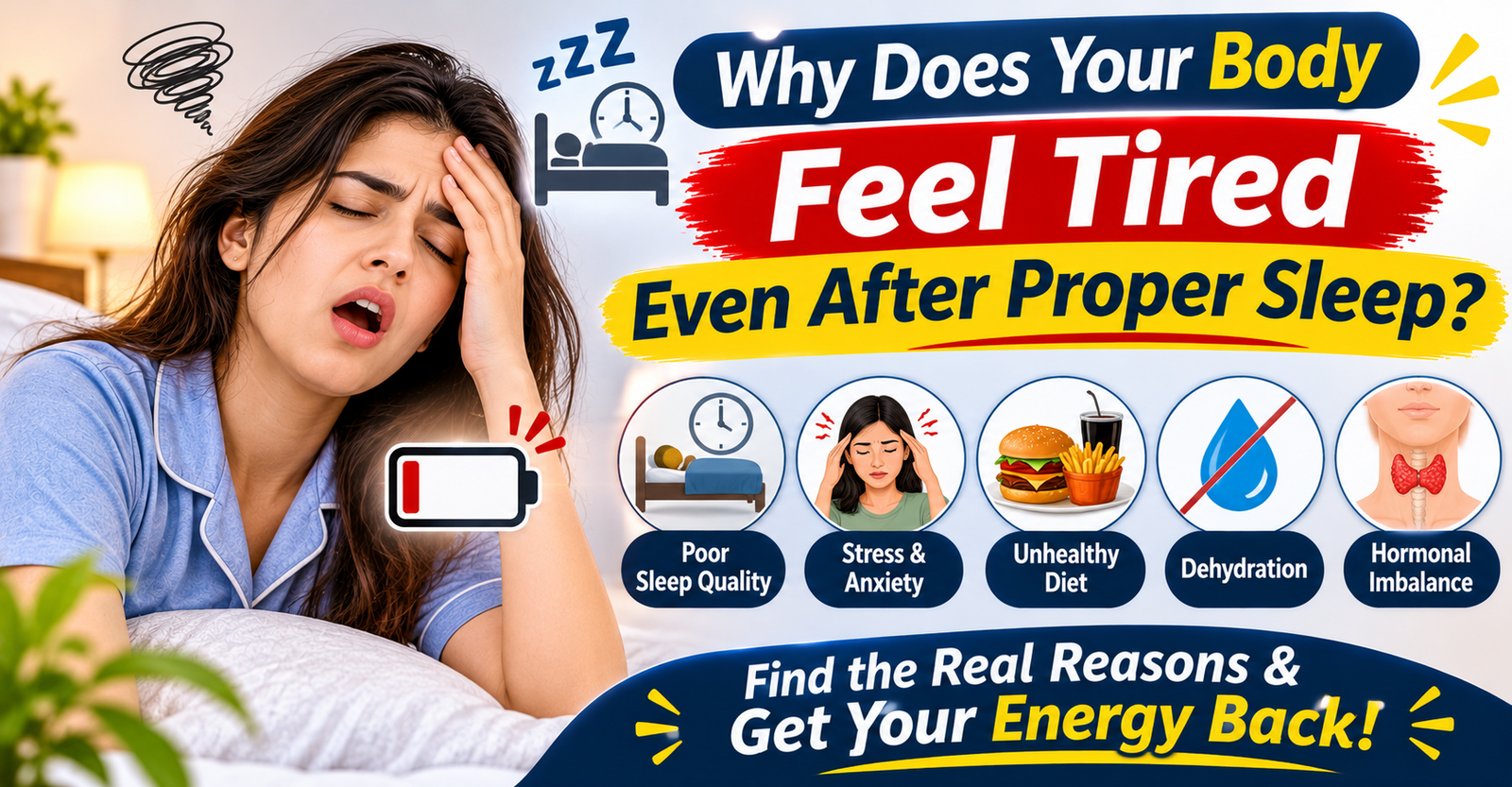
Getting enough sleep is essential for maintaining energy, concentration, and overall health. However, some people wake up feeling tired even after sleeping for seven to nine hours. They may feel sluggish in the morning, struggle to concentrate during the day, or experience a constant lack of energy.
Feeling tired occasionally can happen after a busy day, physical activity, or emotional stress. But when tiredness continues despite adequate sleep, it may be a sign that your body is not getting the quality of rest it needs or that another factor is affecting your energy levels.
Persistent tiredness is commonly known as fatigue. It can have several causes, ranging from lifestyle habits and sleep disorders to nutritional deficiencies and medical conditions.
Understanding why you feel tired even after proper sleep can help you identify possible contributing factors and decide when to seek medical advice.
1. Poor Sleep Quality
Sleeping for enough hours does not always mean your sleep is restful. Your body needs uninterrupted sleep and sufficient time in different sleep stages to recover properly.
Frequent waking during the night, noise, an uncomfortable sleeping environment, or irregular sleep patterns can affect sleep quality. You may not remember waking up, but your sleep may still be disrupted.
If you regularly wake up feeling unrefreshed, consider whether your sleep is continuous and comfortable, not just how many hours you spend in bed.
2. Sleep Apnea or Other Sleep Disorders
Sleep disorders can prevent your body from getting restorative sleep. One common condition is obstructive sleep apnea, in which breathing repeatedly becomes blocked or reduced during sleep.
Possible signs of sleep apnea include loud snoring, pauses in breathing noticed by another person, waking up gasping, morning headaches, and excessive daytime sleepiness.
Not everyone who snores has sleep apnea, but persistent snoring combined with tiredness should be discussed with a healthcare professional.
Other sleep disorders, such as restless legs syndrome or insomnia, may also affect sleep quality and daytime energy.
3. Stress and Mental Exhaustion
Stress can affect both your ability to fall asleep and the quality of your sleep. When your mind remains active at night, you may find it difficult to relax, even if you are physically tired.
Ongoing work pressure, family concerns, financial worries, or emotional stress can contribute to mental exhaustion. This may leave you feeling tired, distracted, or less motivated during the day.
Managing stress through relaxation techniques, regular physical activity, a consistent routine, and support from trusted people may help. If stress, anxiety, or low mood continues to affect your daily life, consider speaking with a healthcare professional.
4. Nutritional Deficiencies
Your body needs essential nutrients to produce energy and maintain normal functioning. If your diet does not provide enough of certain nutrients, you may experience fatigue.
Iron deficiency can lead to anaemia, which may cause tiredness, weakness, dizziness, pale skin, or breathlessness during activity.
Low levels of vitamin B12 or folate can also contribute to fatigue and other symptoms. Vitamin D deficiency may be associated with muscle weakness or discomfort in some people.
Nutritional deficiencies cannot be confirmed by symptoms alone. A doctor may recommend blood tests if your medical history and symptoms suggest a possible deficiency.
Avoid taking iron or high-dose vitamin supplements without medical advice, as unnecessary supplementation may be harmful.
5. Dehydration
Not drinking enough fluids can affect your body's normal functions and may contribute to tiredness, headaches, dizziness, and difficulty concentrating.
You may need more fluids during hot weather, physical activity, or when you have fever, vomiting, or diarrhoea.
Try to drink water regularly throughout the day. Your fluid needs may vary depending on your activity level, climate, and health conditions.
6. Irregular Sleep Schedule
Going to bed and waking up at different times every day can disturb your body's internal clock, also known as the circadian rhythm.
Late-night screen use, shift work, frequent changes in sleep timing, or sleeping much later on weekends may make it harder to feel refreshed in the morning.
A consistent sleep and wake-up schedule can help your body develop a more regular sleep pattern.
7. Too Much Caffeine or Late-Night Screen Use
Tea, coffee, energy drinks, and other caffeinated beverages may temporarily increase alertness. However, consuming caffeine later in the day can make it harder to fall asleep or may reduce sleep quality.
Similarly, using phones, laptops, or televisions close to bedtime can delay sleep, especially when the content keeps your mind active.
Try limiting caffeine in the afternoon and evening and creating a relaxing bedtime routine. Reducing screen use before sleep may also help you settle down more easily.
8. Lack of Physical Activity
It may seem surprising, but very little physical activity can contribute to low energy and poor sleep.
Regular movement can support sleep quality, mood, and overall fitness. You do not need to begin with intense exercise. Walking, gentle stretching, or other suitable activities can be a practical starting point.
If you have a medical condition or experience unusual breathlessness, chest discomfort, or dizziness during activity, consult a healthcare professional before increasing exercise.
9. Thyroid Problems
The thyroid gland helps regulate several body functions, including metabolism. An underactive thyroid, known as hypothyroidism, may cause persistent tiredness.
Other possible symptoms include feeling unusually cold, constipation, dry skin, unexplained weight gain, or changes in hair.
These symptoms can also occur for other reasons. A doctor may recommend thyroid function tests if a thyroid problem is suspected.
10. Diabetes or Blood Sugar Changes
Changes in blood sugar levels can sometimes contribute to tiredness. Diabetes may cause fatigue along with increased thirst, frequent urination, blurred vision, or unexplained weight changes.
Some people may also feel weak or shaky when blood sugar becomes too low, particularly if they use certain diabetes medicines.
If tiredness occurs with these symptoms, consult a healthcare professional. Blood glucose testing may help determine whether blood sugar is contributing to the problem.
11. Certain Medicines
Some medicines can cause tiredness or drowsiness as a side effect. These may include certain allergy medicines, sleep medicines, some pain medicines, and medications used for other health conditions.
If you notice that fatigue began after starting a medicine or changing its dose, discuss it with your doctor or pharmacist.
Do not stop prescribed medication or change the dose on your own.
12. When Should You Be Concerned About Constant Tiredness?
Occasional tiredness is common, but fatigue that continues for several weeks, affects your daily activities, or occurs without a clear reason should be medically evaluated.
You should consult a doctor if tiredness is accompanied by:
- Unexplained weight loss or weight gain.
- Persistent fever or night sweats.
- Frequent dizziness or fainting.
- Unusual breathlessness.
- Pale skin or ongoing weakness.
- Excessive thirst or frequent urination.
- Persistent low mood or loss of interest in daily activities.
Seek urgent medical help if tiredness occurs with chest pain, severe difficulty breathing, sudden confusion, fainting, or sudden weakness.
How Can You Feel More Energetic During the Day?
A few everyday habits may help improve sleep quality and support better energy levels.
Maintain a Consistent Sleep Routine
Try to go to bed and wake up at similar times every day, including weekends. Most adults generally need around seven to nine hours of sleep, although individual needs can vary.
Create a Comfortable Sleeping Environment
Keep your bedroom quiet, comfortable, and suitable for sleep. Reduce unnecessary light and noise, and choose a comfortable mattress and pillow.
Eat Balanced Meals
Include a variety of nutritious foods such as vegetables, fruits, whole grains, pulses, dairy or suitable alternatives, and protein-rich foods. Avoid regularly skipping meals if it leaves you feeling weak or low on energy.
Stay Hydrated
Drink fluids regularly throughout the day. Increase your intake when needed during hot weather or physical activity, while following any fluid restrictions advised by your doctor.
Stay Physically Active
Regular, suitable physical activity can support sleep and overall wellbeing. Start gradually and choose activities that match your fitness level and health condition.
Take Breaks and Manage Stress
Short breaks during work, relaxation exercises, and time away from screens may help reduce mental exhaustion. Make room for activities that help you unwind.
What Tests May a Doctor Recommend for Persistent Fatigue?
There is no single test that identifies every cause of tiredness. Your doctor may ask about your sleep habits, daily routine, medicines, diet, and other symptoms before deciding whether testing is needed.
Depending on your situation, tests may include a complete blood count, blood glucose testing, thyroid function tests, or checks for specific nutritional deficiencies.
If symptoms suggest a sleep disorder, a doctor may recommend a sleep assessment.
The tests should be selected according to your symptoms and medical history rather than taken unnecessarily.
When Should You Visit a Hospital in Jaipur?
If you feel tired even after getting enough sleep and the problem continues, consider consulting a healthcare professional to understand the possible cause.
People living in and around Amer Road, Jaipur, can seek medical consultation at Pawan Hospital for persistent fatigue or other health concerns. A healthcare professional can assess your symptoms and advise whether further examination or testing is needed.
Do not delay medical care if tiredness is severe, worsening, or accompanied by concerning symptoms.
Conclusion
Feeling tired even after proper sleep can happen for several reasons. Poor sleep quality, stress, dehydration, nutritional deficiencies, sleep disorders, thyroid problems, and other medical conditions may contribute to persistent fatigue.
Improving your sleep routine, eating balanced meals, staying hydrated, managing stress, and remaining physically active may help support better energy levels. However, if tiredness continues despite these changes, it is important to seek medical advice rather than assuming it is caused only by a busy lifestyle.
Your body’s energy levels can provide useful clues about your overall health. Pay attention to persistent changes and consult a healthcare professional when needed.
Pawan Hospital
Author