Early Symptoms of Heart Valve Problems You Should Know

Pawan Hospital
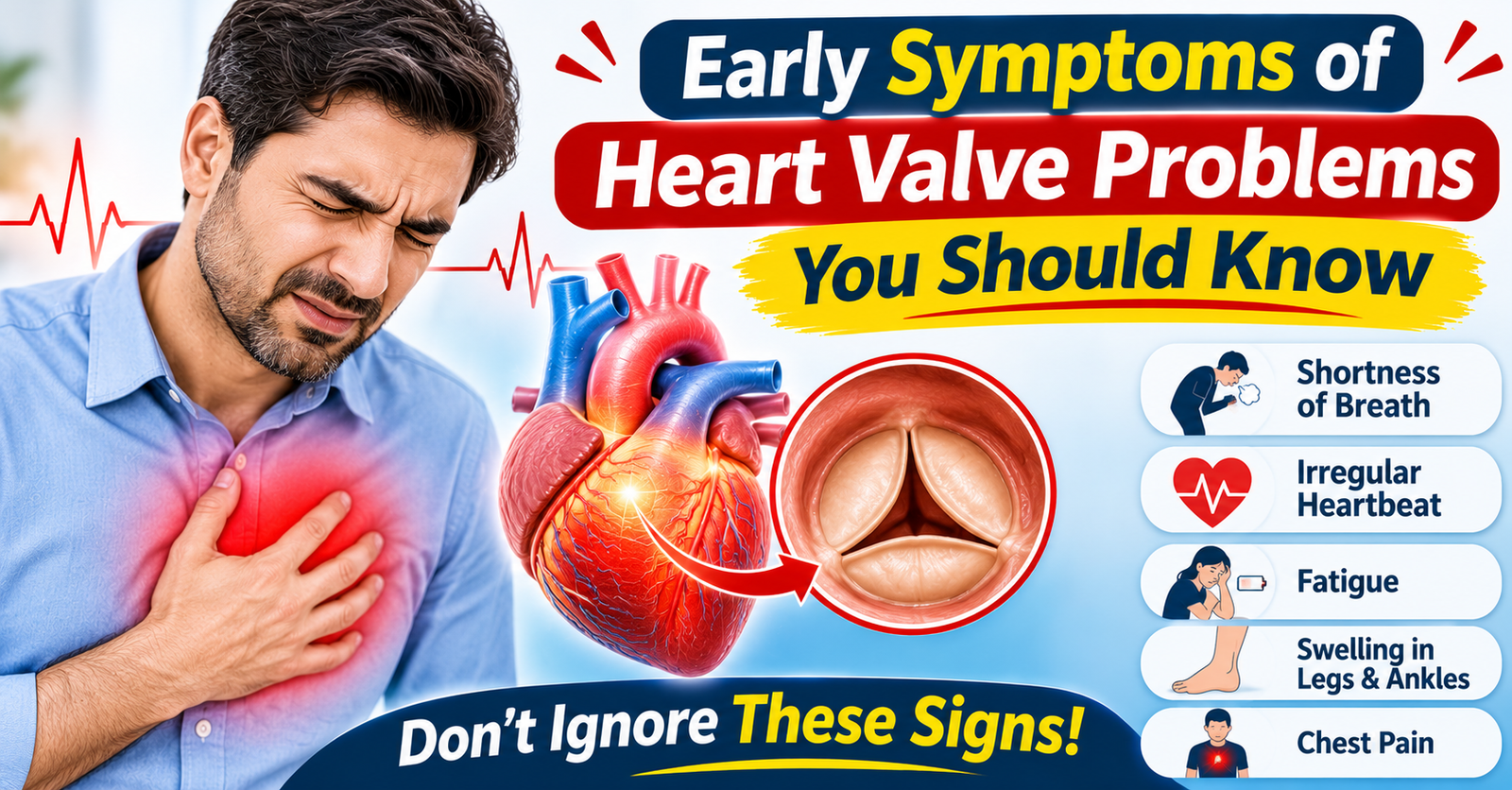
The heart has four valves that help blood flow in the correct direction. These valves open and close with every heartbeat, allowing blood to move between the heart's chambers and into the major blood vessels.
When one or more valves do not work properly, the condition is known as heart valve disease or a heart valve problem. A valve may become narrowed, making it difficult for blood to pass through, or it may not close properly, allowing blood to flow backwards.
Heart valve problems can develop gradually, and some people may not notice symptoms during the early stages. However, as the condition progresses, it may affect the heart's ability to pump blood efficiently.
Recognising possible symptoms and getting timely medical evaluation can help identify valve problems before they lead to serious complications.
What Are Heart Valve Problems?
The heart has four valves:
- Aortic valve: Controls blood flow from the heart to the body.
- Mitral valve: Controls blood flow between the left atrium and left ventricle.
- Tricuspid valve: Controls blood flow between the right atrium and right ventricle.
- Pulmonary valve: Controls blood flow from the right ventricle towards the lungs.
Each valve opens to allow blood to pass and closes to prevent blood from flowing backwards.
Heart valve disease usually occurs in one of two ways:
Valve stenosis: The valve becomes narrowed or stiff, making it harder for blood to pass through.
Valve regurgitation: The valve does not close completely, allowing some blood to flow backwards.
Both conditions can make the heart work harder and may affect blood circulation.
Early Symptoms of Heart Valve Problems
Symptoms may vary depending on which valve is affected and how severe the problem is. Some people have no symptoms at first, while others may notice changes in their breathing, energy levels, or heartbeat.
1. Shortness of Breath
Shortness of breath is one of the common symptoms of heart valve disease. It may occur during physical activity, such as walking, climbing stairs, or exercising.
As a valve problem affects the heart's ability to move blood efficiently, pressure may build up in the blood vessels around the lungs. This can make breathing feel difficult.
Some people may also experience breathlessness while lying flat or wake up at night feeling short of breath.
If breathing difficulty is new, persistent, or worsening, it should be evaluated by a healthcare professional.
2. Unusual Fatigue and Weakness
Feeling tired after a busy day is normal, but persistent fatigue without a clear reason may require medical attention.
When a heart valve does not function properly, the heart may have to work harder to circulate blood. In some cases, the body may receive less oxygen-rich blood during activity, leading to weakness or reduced stamina.
People with heart valve problems may notice that everyday activities become more tiring than before.
3. Chest Discomfort or Pain
Some people with heart valve disease may experience chest discomfort, pressure, or pain, particularly during physical activity.
This can happen when the heart muscle needs more oxygen than it is receiving. However, chest pain can have many causes, including serious heart conditions.
Sudden or severe chest pain, especially with sweating, nausea, or breathlessness, requires emergency medical attention.
4. Dizziness or Fainting
Dizziness or fainting may occur when the brain temporarily receives insufficient blood flow. Certain valve problems can affect the amount of blood the heart pumps, particularly during physical activity.
Repeated dizziness, unexplained fainting, or feeling close to fainting should not be ignored.
If someone faints and does not quickly recover, has chest pain, or experiences difficulty breathing, seek emergency medical help.
5. Irregular or Fast Heartbeat
Heart valve disease may sometimes be associated with changes in heart rhythm. A person may feel that their heart is racing, fluttering, skipping beats, or beating irregularly.
These sensations are known as palpitations. They can occur for several reasons, so they do not automatically mean someone has a valve problem.
If palpitations happen frequently or occur with dizziness, chest discomfort, or breathlessness, consult a doctor.
6. Swelling in the Feet, Ankles, or Legs
Swelling in the lower legs, feet, or ankles can sometimes occur when a heart valve problem affects blood circulation.
Fluid may accumulate in the body's tissues, especially around the ankles and feet. Some people may also notice swelling in the abdomen.
Persistent or unexplained swelling should be medically assessed, particularly when it occurs with fatigue or shortness of breath.
7. Reduced Ability to Exercise
A person who previously walked, climbed stairs, or exercised comfortably may begin to feel unusually tired or breathless during the same activities.
This change in exercise tolerance can sometimes be an early sign of a heart-related problem.
If your stamina decreases noticeably without an obvious reason, consider discussing it with a healthcare professional.
8. Heart Murmur
A heart murmur is an unusual sound heard when a doctor listens to the heart with a stethoscope. It may occur when blood flows turbulently through the heart.
Some heart murmurs are harmless, while others may be associated with valve disease.
A murmur does not always mean there is a serious heart problem, but a doctor may recommend further testing if the sound or symptoms suggest a valve condition.
Common Causes of Heart Valve Problems
Heart valve disease can develop for different reasons. Some people are born with a valve abnormality, while others develop valve problems later in life.
Age-Related Changes
As people get older, heart valves may become thicker, stiffer, or calcified. These changes can affect how well the valves open and close.
Age-related valve disease is one reason regular medical checkups may become increasingly important with age.
Congenital Heart Conditions
Some people are born with heart valves that have an unusual shape or structure. For example, a valve may have fewer or differently shaped leaflets than usual.
These conditions may cause symptoms during childhood or may not become noticeable until adulthood.
Previous Infections
Certain infections can damage heart valves. A serious infection involving the heart's inner lining or valves, known as infective endocarditis, may affect valve function.
Prompt medical attention is important if symptoms of a serious infection occur, particularly in people with known heart valve disease.
Rheumatic Heart Disease
Rheumatic heart disease can develop after rheumatic fever, which may follow an untreated or inadequately treated group A streptococcal infection.
It can cause scarring and damage to the heart valves, sometimes years after the initial illness.
Other Heart Conditions
Some heart conditions, including previous heart attacks or enlargement of the heart, may affect the structure or function of certain valves.
A doctor can assess whether an existing heart condition may be contributing to valve problems.
Who Is at Higher Risk of Heart Valve Disease?
Certain factors may increase the likelihood of developing heart valve problems, including:
- Older age.
- A family history of certain valve conditions.
- Congenital heart abnormalities.
- Previous rheumatic fever.
- A history of infective endocarditis.
- Certain heart or connective tissue conditions.
- Previous heart surgery or damage to the heart.
Having one or more risk factors does not mean you will definitely develop heart valve disease. However, it may be useful to discuss your medical history and symptoms with a healthcare professional.
How Are Heart Valve Problems Diagnosed?
If a doctor suspects a heart valve problem, they may recommend one or more tests based on your symptoms and examination.
1. Physical Examination
The doctor may listen to your heart using a stethoscope to check for unusual sounds, such as a heart murmur. They may also check your pulse, blood pressure, breathing, and signs of fluid retention.
2. Echocardiogram
An echocardiogram, often called an echo, is one of the main tests used to assess heart valve disease.
It uses ultrasound waves to create images of the heart. The test can show how the valves open and close, how blood flows through them, and how well the heart pumps.
3. ECG or Electrocardiogram
An ECG records the electrical activity of the heart. It can help identify certain heart rhythm problems or other changes that may occur alongside valve disease.
An ECG does not directly show the structure of the heart valves, so additional testing may be needed.
4. Other Imaging or Tests
Depending on the condition, a doctor may recommend a chest X-ray, CT scan, MRI, or other specialised tests to assess the heart and surrounding structures.
The choice of test depends on the suspected valve problem and the information needed for diagnosis.
Can Heart Valve Problems Be Treated?
Treatment depends on the type of valve problem, its severity, the symptoms, and the effect on heart function.
Some people with mild valve disease may only need regular checkups and monitoring. Others may require medicines to manage symptoms or related conditions.
In more serious cases, a doctor may recommend a procedure to repair or replace the affected valve. The timing and type of treatment depend on the individual patient's condition.
Medicines may help manage symptoms or related problems, but they do not necessarily correct the structural valve abnormality itself.
Never start, stop, or change heart medication without consulting your healthcare professional.
How Can You Support Better Heart Health?
Not all heart valve problems can be prevented, particularly those caused by congenital conditions or age-related changes. However, maintaining overall heart health can help reduce the risk of other cardiovascular problems.
Follow a Heart-Healthy Lifestyle
Choose a balanced diet that includes vegetables, fruits, whole grains, pulses, and other nutritious foods. Limit excess salt and highly processed foods, especially if your doctor has advised you to manage blood pressure.
Stay Physically Active
Regular physical activity can support cardiovascular health. However, people with diagnosed valve disease should ask their doctor which activities and exercise intensity are appropriate for them.
Manage Existing Health Conditions
High blood pressure, diabetes, and other medical conditions should be managed according to your healthcare provider's advice.
Attend Recommended Checkups
If you have a known heart murmur or valve condition, attend follow-up appointments as recommended. Regular monitoring can help your doctor identify changes in the condition.
Seek Medical Advice for Persistent Symptoms
Do not ignore ongoing breathlessness, unexplained fatigue, swelling, dizziness, or irregular heartbeat. These symptoms can have several causes, but medical evaluation can help identify the reason.
When Should You Seek Emergency Medical Help?
Seek emergency medical attention if you experience:
- Sudden or severe chest pain.
- Severe difficulty breathing.
- Fainting with chest pain or breathlessness.
- Sudden weakness, facial drooping, or difficulty speaking.
- A rapid or irregular heartbeat accompanied by severe dizziness or collapse.
These symptoms may indicate a serious heart or other medical emergency and should not be ignored.
Heart Health Consultation at Pawan Hospital Jaipur
If you are experiencing persistent symptoms such as breathlessness, unusual fatigue, dizziness, or swelling, consult a qualified healthcare professional for evaluation.
Pawan Hospital is located on Amer Road, Jaipur. Patients in Jaipur and nearby areas can seek medical consultation regarding their symptoms and discuss whether further heart-related assessment is needed.
Early evaluation can help identify the cause of symptoms and guide appropriate care.
Conclusion
Heart valve problems may develop gradually, and early symptoms can sometimes be easy to overlook. Shortness of breath, unusual fatigue, chest discomfort, dizziness, palpitations, and swelling may be signs that the heart needs medical evaluation.
Not every symptom indicates heart valve disease, but persistent or worsening symptoms should be discussed with a healthcare professional. Timely diagnosis, regular monitoring, and appropriate treatment can help manage many valve conditions and support better heart health.
Pawan Hospital
Author