High Blood Pressure: Symptoms, Risks & Prevention
Pawan Hospital
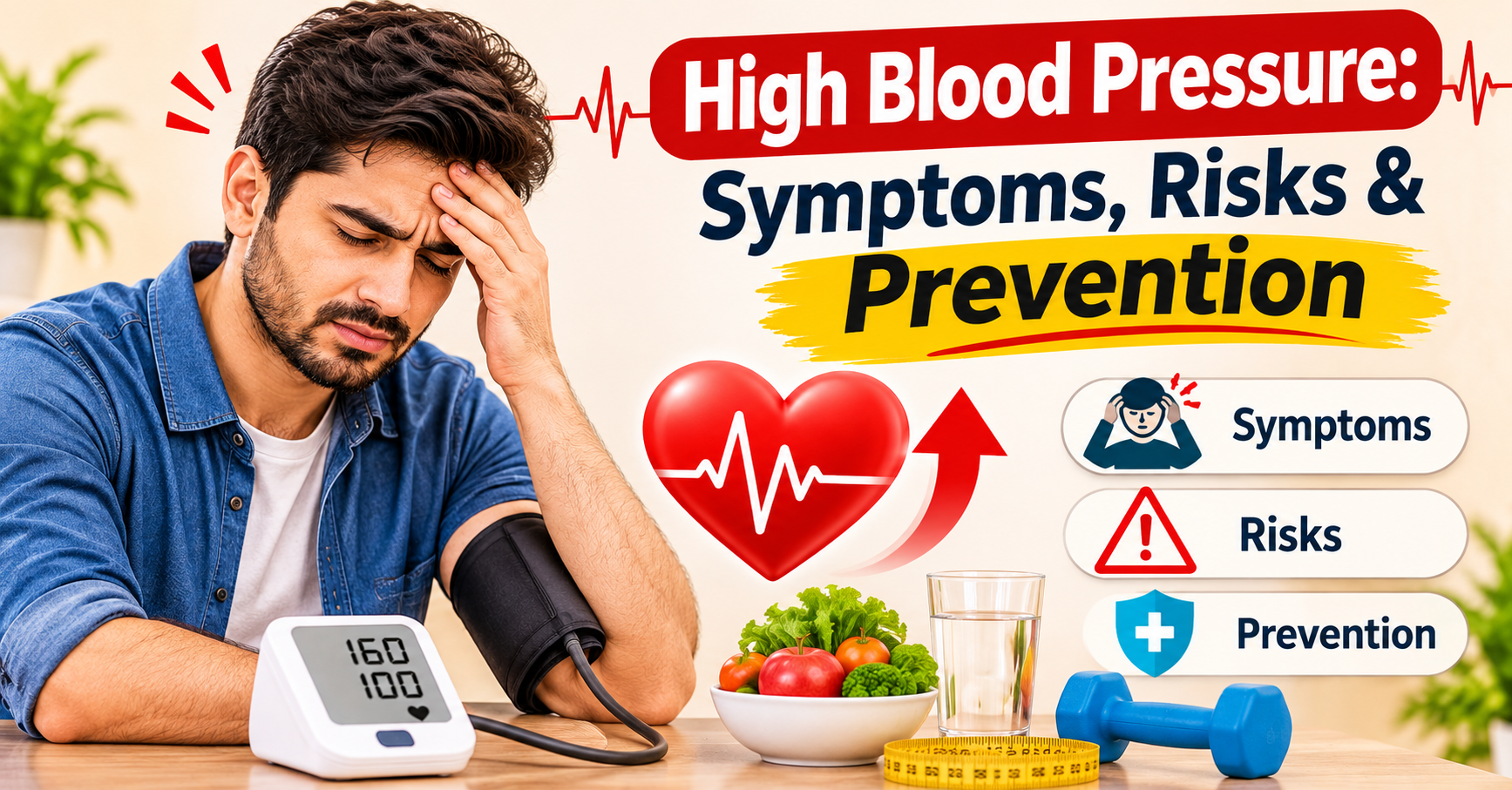
High blood pressure, also known as hypertension, is a common health condition that affects millions of people. It occurs when the force of blood pushing against the walls of the arteries remains consistently higher than normal. Over time, this increased pressure can put extra strain on the heart and blood vessels.
One of the biggest concerns about high blood pressure is that it often develops without noticeable symptoms. Many people may have hypertension for years without knowing it. If left unmanaged, it can increase the risk of serious health problems, including heart disease, stroke, kidney damage, and vision problems.
The good news is that regular blood pressure monitoring, healthy lifestyle choices, and timely medical guidance can help control the condition. Understanding its symptoms, risks, and prevention methods is an important step towards better health.
What Is High Blood Pressure?
Blood pressure is the force exerted by circulating blood against the walls of the arteries. It is measured using two numbers:
- Systolic pressure: The upper number, which measures pressure when the heart beats.
- Diastolic pressure: The lower number, which measures pressure when the heart rests between beats.
For most adults, a reading below 120/80 mmHg is generally considered normal. A consistently elevated reading may indicate high blood pressure, but the interpretation depends on the measurement and applicable medical guidelines.
A single high reading does not necessarily mean that someone has hypertension. A healthcare professional may recommend repeated measurements, sometimes taken at home, to confirm the condition.
Common Symptoms of High Blood Pressure
High blood pressure is often called a silent condition because many people do not experience clear warning signs. The only reliable way to know whether your blood pressure is high is to have it measured.
However, when blood pressure becomes severely elevated, some people may experience symptoms such as:
1. Frequent Headaches
Some people with severely elevated blood pressure may experience headaches. However, ordinary headaches are common and do not automatically indicate hypertension. Repeated or unusual headaches should be discussed with a healthcare professional.
2. Dizziness
Feeling dizzy or light-headed can have several causes. Although it may occur alongside other health problems, dizziness alone is not a reliable sign of high blood pressure.
3. Blurred Vision
Very high blood pressure can affect the blood vessels in the eyes and may lead to vision changes. Sudden blurred vision or loss of vision requires urgent medical assessment.
4. Chest Pain
Chest pain should never be ignored. It may be related to a heart problem or another serious condition, especially when accompanied by sweating, breathlessness, or discomfort in the arm or jaw.
5. Shortness of Breath
Difficulty breathing can sometimes occur when high blood pressure has contributed to heart-related complications. Sudden or severe breathing difficulty requires immediate medical attention.
Important: Most people with hypertension have no symptoms. Do not wait for headaches, dizziness, or other signs before checking your blood pressure.
Major Causes and Risk Factors of High Blood Pressure
High blood pressure can develop due to a combination of lifestyle, genetic, and medical factors. In many adults, there is no single identifiable cause.
Some common risk factors include:
1. High Salt Intake
Consuming too much sodium can increase blood pressure in many people. Packaged snacks, pickles, processed foods, instant meals, and restaurant dishes may contain significant amounts of salt.
Reducing excess salt and choosing fresh, minimally processed foods can support healthier blood pressure.
2. Lack of Physical Activity
A sedentary lifestyle can contribute to weight gain and increase the risk of hypertension. Regular physical activity helps support heart health and healthy blood circulation.
3. Being Overweight
Excess body weight can make the heart work harder to circulate blood. Maintaining a healthy weight may help reduce the risk of developing high blood pressure.
4. Stress
Long-term stress can affect sleep, eating habits, and other behaviours that influence blood pressure. Relaxation techniques, regular exercise, and sufficient rest can support overall well-being.
5. Smoking and Alcohol Consumption
Smoking damages blood vessels and increases cardiovascular risk. Excessive alcohol consumption can also raise blood pressure. Avoiding tobacco and limiting or avoiding alcohol can support better heart health.
6. Family History and Age
People with a family history of hypertension may have a higher risk of developing the condition. Blood pressure problems also become more common with increasing age, although hypertension can affect younger adults too.
7. Other Medical Conditions
Certain health conditions, including kidney disease, diabetes, and sleep-related breathing disorders, can increase the risk of high blood pressure. Some medicines may also affect blood pressure, so discuss your medication with a healthcare professional rather than stopping it yourself.
Health Risks of Uncontrolled High Blood Pressure
When high blood pressure remains uncontrolled for a long time, it can damage blood vessels and important organs. This is why early detection and proper management are essential.
1. Heart Disease
High blood pressure makes the heart work harder to pump blood. Over time, this can contribute to thickening of the heart muscle, coronary artery disease, and heart failure.
2. Stroke
Uncontrolled hypertension can damage blood vessels in the brain and increase the risk of stroke. Sudden weakness on one side of the body, difficulty speaking, facial drooping, or sudden loss of balance requires emergency medical attention.
3. Kidney Damage
The kidneys contain tiny blood vessels that help filter waste from the blood. Persistent high blood pressure can damage these vessels and reduce kidney function.
4. Vision Problems
High blood pressure can damage the small blood vessels in the eyes. In severe cases, this may affect vision and require medical treatment.
5. Memory and Cognitive Problems
Long-term hypertension can affect blood flow to the brain and may contribute to problems with memory and cognitive function over time.
How to Prevent High Blood Pressure
Healthy daily habits can help reduce the risk of hypertension and support better blood pressure control. People already diagnosed with high blood pressure can also benefit from these lifestyle changes alongside their prescribed treatment.
1. Reduce Salt in Your Diet
Avoid adding excessive salt to meals and limit foods that are high in sodium. Read food labels when buying packaged products and choose fresh ingredients whenever possible.
2. Eat a Balanced Diet
Include fruits, vegetables, whole grains, beans, pulses, nuts, and other nutritious foods in your daily meals. A balanced diet that is lower in excess salt and highly processed foods can support heart health.
3. Exercise Regularly
Activities such as walking, cycling, swimming, and light aerobic exercise can help improve cardiovascular health. Aim for around 150 minutes of moderate-intensity physical activity each week, if appropriate for your health and fitness level.
If you have an existing medical condition or are beginning a new exercise routine after a long break, consult a healthcare professional about suitable activities.
4. Maintain a Healthy Weight
Maintaining a healthy weight can help reduce strain on the heart and may improve blood pressure. Focus on sustainable eating habits and regular physical activity rather than crash diets.
5. Manage Stress
Practices such as meditation, deep breathing, yoga, and spending time on enjoyable activities may help manage stress. Taking regular breaks and maintaining a balanced daily routine can also support mental well-being.
6. Avoid Tobacco and Limit Alcohol
Smoking and tobacco use increase the risk of heart and blood vessel problems. Avoid tobacco products and discuss alcohol consumption with your healthcare provider, particularly if you have high blood pressure.
7. Get Enough Sleep
Poor sleep and certain sleep disorders can contribute to high blood pressure. Try to maintain a regular sleep schedule and aim for around seven to nine hours of sleep each night as an adult.
8. Check Your Blood Pressure Regularly
Regular monitoring can help identify high blood pressure before complications develop. If your readings are consistently elevated, consult a doctor for proper evaluation and guidance.
How Is High Blood Pressure Diagnosed?
High blood pressure is diagnosed through blood pressure measurements using a suitable monitor. During a checkup, a healthcare professional may take more than one reading and recommend additional measurements on different days.
Depending on your health history and readings, the doctor may also suggest blood tests, urine tests, an ECG, or other investigations to assess possible causes and check whether hypertension has affected other organs.
Home monitoring may also be recommended. Use a validated monitor, follow the instructions, and record your readings so you can discuss them during your medical appointment.
Treatment and Management of High Blood Pressure
Treatment depends on your blood pressure readings, age, medical history, and overall risk of cardiovascular disease.
For some people, lifestyle changes may be an important part of managing blood pressure. Others may also need prescribed medicines to keep their readings within a safer range.
Never start, stop, or change blood pressure medication without medical advice. Even if your readings improve, continue following your doctor's instructions and attend recommended follow-up appointments.
When Should You Consult a Doctor?
You should arrange a medical consultation if your blood pressure readings are repeatedly higher than the recommended range. A doctor can confirm whether you have hypertension and suggest an appropriate management plan.
Seek emergency medical help if your blood pressure reading is above 180/120 mmHg and you have symptoms such as chest pain, difficulty breathing, weakness, numbness, changes in vision, or difficulty speaking. Do not wait for the blood pressure to come down on its own.
If a reading is above 180/120 mmHg without symptoms, wait at least one minute and measure it again. If it remains that high, contact a healthcare professional immediately for urgent guidance.
High Blood Pressure Care at Pawan Hospital Jaipur
Managing high blood pressure requires awareness, regular monitoring, and timely medical guidance. People living in Jaipur should not ignore repeatedly elevated blood pressure readings, even if they feel healthy.
Pawan Hospital, located on Amer Road, Jaipur, can be considered for medical consultation and guidance regarding general health concerns. If you are experiencing symptoms or have concerns about your blood pressure, seek advice from a qualified healthcare professional about the appropriate evaluation and care.
Regular checkups and following a medically advised treatment plan can help you take better care of your heart and overall health.
Conclusion
High blood pressure is a common condition, but ignoring it can lead to serious health complications. Since it often develops without noticeable symptoms, regular blood pressure checks are essential for early detection.
A balanced diet, reduced salt intake, regular exercise, healthy weight management, good sleep, and avoiding tobacco can all support healthier blood pressure. If your readings remain elevated, consult a healthcare professional and follow the recommended treatment plan.
Taking small steps today can make a meaningful difference to your long-term heart health.
Pawan Hospital
Author