Best Foods for a Healthy Heart

Pawan Hospital
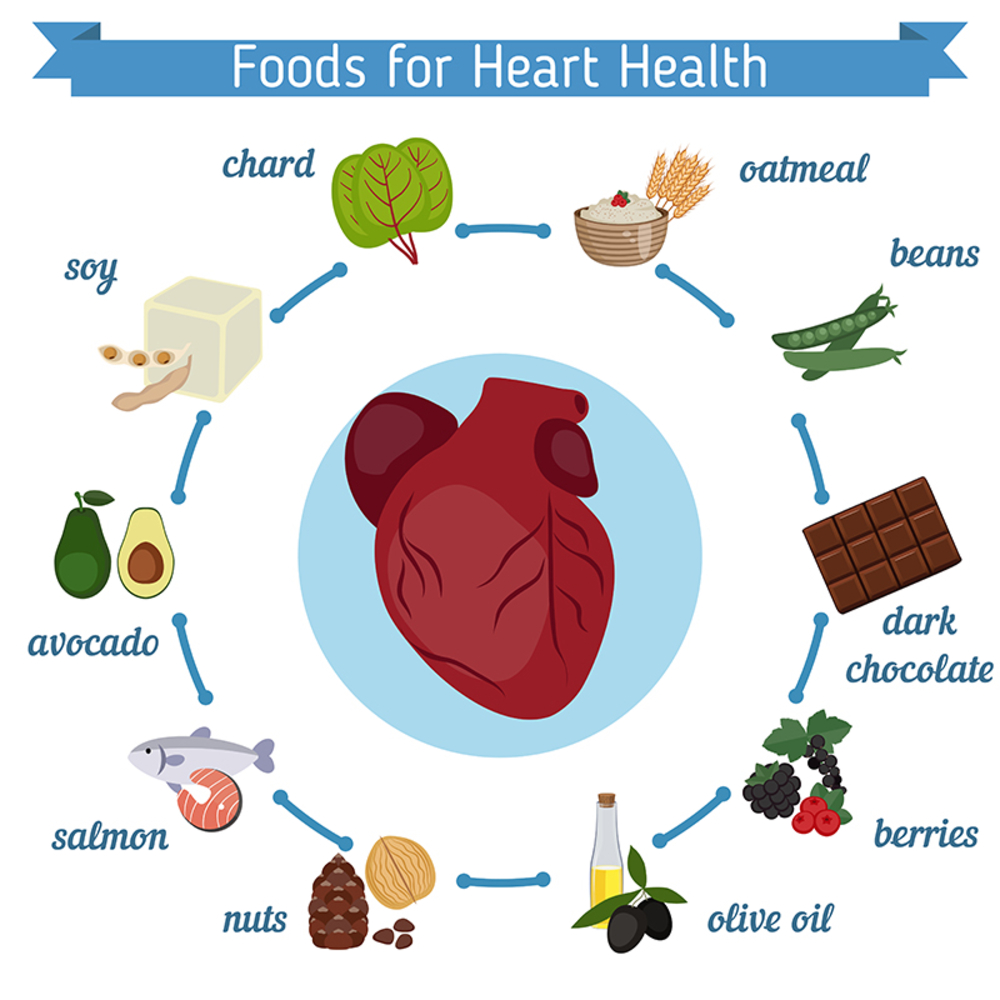
Heart health is an important part of overall well-being. The food choices we make every day can have a significant impact on our heart, blood pressure, cholesterol levels, body weight, and overall cardiovascular health. While exercise, adequate sleep, and stress management are also important, following a balanced and nutritious diet is one of the most effective ways to support a healthy heart.
Modern lifestyles often include processed foods, excessive salt, added sugar, and unhealthy fats. Over time, these dietary habits can contribute to high blood pressure, high cholesterol, obesity, diabetes, and other conditions that increase the risk of heart disease. Making healthier food choices does not necessarily mean following a strict diet. Small and sustainable changes can make a meaningful difference.
At Pawan Hospital, Jaipur, we believe that preventive healthcare and healthy lifestyle habits play an important role in protecting long-term heart health. Here are some of the best foods that can be included as part of a heart-healthy diet.
1. Green Leafy Vegetables
Green leafy vegetables such as spinach, kale, lettuce, and other locally available greens are rich in essential vitamins, minerals, and dietary fiber. They can be a valuable part of a balanced diet and may help support overall cardiovascular health.
Leafy vegetables are generally low in calories and can easily be included in meals such as salads, soups, vegetable dishes, and smoothies. Their high nutrient content makes them a healthier alternative to heavily processed foods.
Try to include a variety of vegetables in your daily meals rather than relying on only one type. Different vegetables provide different nutrients, and variety helps create a more balanced diet.
2. Whole Grains
Whole grains such as oats, brown rice, whole wheat, barley, and millets can be beneficial for heart health. Unlike refined grains, whole grains contain more dietary fiber and nutrients because they retain important parts of the grain.
A diet rich in fiber can support healthy digestion and may help with cholesterol management when combined with an overall healthy lifestyle. Replacing refined foods such as white bread and highly processed cereals with whole-grain alternatives can be a simple and sustainable dietary improvement.
Choose foods that fit your individual health needs and discuss dietary changes with a healthcare professional if you have diabetes, kidney disease, or other medical conditions.
3. Fruits
Fresh fruits provide important nutrients, fiber, and naturally occurring compounds that support overall health. Fruits such as apples, oranges, berries, pomegranates, guavas, and papayas can be included in a heart-friendly eating pattern.
Instead of consuming packaged sweets or sugary snacks, choosing whole fruits can be a healthier option. Whole fruits also provide dietary fiber, which may be lost when fruit is processed into juice.
Try to eat a variety of seasonal fruits. However, people with diabetes or other conditions that affect blood sugar should discuss appropriate fruit portions with their doctor or dietitian.
4. Nuts and Seeds
Nuts and seeds can be a nutritious addition to a balanced diet. Almonds, walnuts, flaxseeds, chia seeds, and other nuts and seeds contain healthy fats, protein, and important nutrients.
A small portion can be added to breakfast, salads, or snacks. However, portion control is important because nuts are calorie-dense. It is also better to choose unsalted and minimally processed options instead of heavily salted or sugar-coated varieties.
Regularly including moderate portions of nuts and seeds as part of a balanced diet may support overall heart health.
5. Beans and Lentils
Beans, lentils, chickpeas, and other pulses are excellent sources of plant-based protein and dietary fiber. They are also commonly available and can be easily included in everyday Indian meals.
Replacing some processed or high-fat foods with dals and other pulses can support a healthier eating pattern. They can be used in soups, salads, curries, and traditional dishes.
For many people, including a variety of pulses in their regular diet is a simple way to increase fiber and protein intake while supporting overall health.
6. Fatty Fish
Certain types of fish contain omega-3 fatty acids, which are important nutrients for overall health. Fish such as salmon, sardines, and mackerel are commonly included in heart-healthy dietary patterns.
The method of preparation also matters. Grilled, baked, or lightly cooked fish may be a healthier choice than deep-fried preparations.
If you do not eat fish, you can discuss other dietary sources of healthy fats with a qualified healthcare professional.
7. Healthy Oils
The type of fat used in cooking can make a difference to your overall dietary pattern. Oils should be consumed in moderation, but choosing sources of unsaturated fats instead of excessive amounts of saturated or trans fats may support better heart health.
Oils such as mustard, groundnut, olive, and other vegetable oils can be used as part of a balanced diet, depending on individual dietary preferences. The most important factor is avoiding excessive oil consumption and reducing foods that are repeatedly deep-fried or highly processed.
Moderation and variety are often more sustainable than completely eliminating all fats from your diet.
8. Yogurt and Other Healthy Dairy Choices
Low-fat or appropriately portioned dairy products can provide nutrients such as protein and calcium. Unsweetened yogurt, in particular, can be included as part of a balanced meal or snack.
However, people with specific health conditions should choose dairy products based on their individual nutritional requirements. Some people may need to limit certain types of fats or dairy products.
Avoid products that contain excessive added sugar and choose simple, minimally processed options whenever possible.
9. Tomatoes and Other Colourful Vegetables
Tomatoes, carrots, bell peppers, beetroot, and other colourful vegetables provide a variety of vitamins and nutrients. Including different colours of vegetables in your meals is a simple way to increase dietary variety.
These foods can be included in salads, curries, soups, and other home-cooked meals. Preparing vegetables with limited oil and salt can help maintain their role in a heart-friendly diet.
A colourful plate often reflects a wider variety of nutrients and can make healthy meals more enjoyable.
10. Dark Chocolate in Moderation
Dark chocolate with a higher cocoa content can occasionally be enjoyed as part of a balanced diet. However, it should not be considered a substitute for fruits, vegetables, or other nutritious foods.
Many chocolate products contain significant amounts of sugar and calories. Therefore, moderation is important, particularly for people managing diabetes, weight, or other health conditions.
A small occasional portion can be a better choice than regularly consuming highly processed sweets and desserts.
Foods That Should Be Limited for Better Heart Health
While adding healthy foods is important, reducing certain foods can also support cardiovascular health. Try to limit highly processed foods, excessive salt, sugary beverages, and foods containing unhealthy trans fats.
Frequent consumption of deep-fried foods and packaged snacks can make it difficult to maintain a balanced diet. Instead, focus on home-cooked meals prepared with fresh ingredients whenever possible.
The goal is not to completely eliminate every favourite food but to create healthier eating habits that can be maintained over the long term.
Other Habits That Support a Healthy Heart
A heart-healthy diet works best when combined with other healthy lifestyle habits. Regular physical activity, adequate sleep, stress management, maintaining a healthy weight, and avoiding tobacco are all important for cardiovascular health.
Regular medical checkups can also help monitor important factors such as blood pressure, cholesterol, and blood sugar. Many heart-related risk factors may not cause noticeable symptoms in their early stages, which makes preventive healthcare especially important.
When Should You Consult a Doctor?
Diet and lifestyle changes are important, but they cannot replace professional medical care when a health condition is present. If you have high blood pressure, diabetes, high cholesterol, obesity, or a family history of heart disease, consult a doctor for personalized guidance.
Seek immediate medical attention if you experience symptoms such as chest pain, severe shortness of breath, sudden dizziness, or unexplained weakness.
For preventive healthcare, timely diagnosis, and medical guidance, patients looking for a hospital in Amer Road Jaipur can consult experienced healthcare professionals at Pawan Hospital.
Conclusion
A healthy heart is supported by the choices you make every day. Including more vegetables, fruits, whole grains, pulses, nuts, seeds, and other nutritious foods can help create a heart-friendly dietary pattern.
There is no single food that can guarantee protection from heart disease. The key is to maintain a balanced diet, stay physically active, manage stress, and attend regular health checkups.
Making small changes today can contribute to better heart health in the future. If you have concerns about your heart health or existing medical conditions, consult a healthcare professional for personalized advice.
Pawan Hospital
Author