
In modern healthcare, not all medical treatments require hospitalization. Many health concerns can be addressed through OPD (Outpatient Department) services, which provide timely medical consultation, diagnostic support, and treatment without the need for an overnight stay.
OPD services are a cornerstone of preventive, routine, and specialized healthcare. They allow patients to seek medical help quickly, monitor existing conditions, and prevent serious complications.
In this blog, we will explain:
- What OPD services are
- Types of OPD services
- Why OPD services are important
- How OPD services benefit patients
- Tips for making the most of your OPD visits
What Are OPD Services?
OPD services refer to medical care provided to patients who do not require hospital admission. These services include:
- Consultations with doctors
- Routine health check-ups
- Diagnostic testing
- Minor procedures
- Follow-up care
OPD services are usually the first point of contact between patients and healthcare providers. They ensure patients get timely medical attention without the inconvenience and cost of hospitalization.
Types of OPD Services
1. General OPD
General OPD services provide basic medical care for common illnesses and health concerns. These include:
- Consultation with general physicians
- Treatment for fever, cold, cough, or infections
- Management of minor injuries and wounds
- Routine health screenings and check-ups
- Prescription and advice for home care
General OPD acts as the primary healthcare contact, identifying patients who may need specialist care.
2. Specialty OPD
Specialty OPD focuses on specific areas of healthcare. These services provide consultation with specialists who are experts in particular fields:
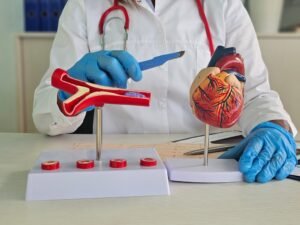
- Cardiology: Heart and blood vessel health
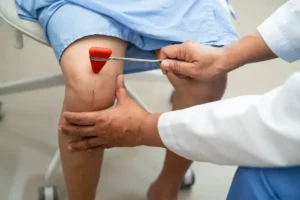
- Neurology: Brain, nerves, and spinal disorders
- Orthopedics: Bones, joints, and musculoskeletal issues
- Gastroenterology: Stomach, intestines, liver, and digestive system
- Gynecology & Obstetrics: Women’s health, pregnancy, and childbirth
- ENT (Ear, Nose, Throat): Hearing, sinus, and throat issues
- Dermatology: Skin, hair, and nail care
- Psychiatry: Mental health and behavioral concerns
Specialty OPD ensures targeted, expert care for patients while avoiding unnecessary hospitalization.
3. Diagnostic OPD
Many OPD services include diagnostic tests that help doctors confirm or monitor health conditions. These tests include:
- Laboratory tests: Blood, urine, or saliva analysis
- Imaging tests: X-ray, ultrasound, MRI, or CT scan
- Cardiac tests: ECG, echocardiography, or treadmill tests
- Endoscopic or specialized tests: For digestive or respiratory issues
Access to diagnostic services within OPD ensures faster results and timely consultations, improving healthcare efficiency.
4. Minor Procedures in OPD
Some minor medical procedures can be performed in OPD without admitting the patient. These include:
- Wound dressing and suturing
- Removal of small lumps or cysts
- Minor joint injections or physiotherapy
- Vaccinations and immunizations
- Eye check-ups and minor ophthalmic procedures
These procedures make OPD services convenient and cost-effective for patients.
Why OPD Services Are Important
1. Easy Access to Healthcare
OPD services make healthcare readily available to patients. Individuals can consult doctors, undergo tests, and receive treatment without the inconvenience of staying in a hospital.
2. Early Detection of Diseases
Many serious conditions, such as diabetes, high blood pressure, or thyroid disorders, may develop quietly. OPD services allow doctors to identify these conditions early, preventing complications and improving outcomes.
3. Continuous Care for Chronic Conditions
Patients with long-term illnesses can benefit from OPD follow-ups. Doctors can monitor progress, adjust medications, and provide lifestyle advice to manage chronic diseases effectively.
4. Preventive Healthcare
OPD services also focus on preventive care, including:
- Regular health screenings
- Vaccinations
- Lifestyle and diet counseling
- Early detection of health risks
Preventive OPD care helps reduce long-term health problems and promotes overall well-being.
5. Cost-Effective Healthcare
Since OPD visits do not require hospital admission, they are generally more affordable. Patients can access quality care without the extra costs of staying in a hospital.
How OPD Services Benefit Patients
- Quick Consultation: Immediate medical advice prevents minor issues from becoming serious
- Comprehensive Care: Access to general, specialty, diagnostic, and minor procedure services in one place
- Chronic Disease Monitoring: Helps manage conditions like diabetes, hypertension, or thyroid disorders
- Preventive Guidance: Doctors provide lifestyle and dietary advice to maintain long-term health
- Peace of Mind: Regular check-ups reduce stress and improve confidence in personal health
Tips for Making the Most of Your OPD Visits
- Book Appointments in Advance: Avoid long waiting times
- Bring Medical History: Include previous reports, medications, and allergies
- Ask Questions: Understand your condition, treatment options, and lifestyle recommendations
- Follow Instructions: Take medications, undergo tests, and follow lifestyle advice properly
- Schedule Regular Visits: Routine OPD visits can prevent illnesses and detect problems early
Conclusion
OPD services are essential for modern healthcare, providing patients with timely consultation, diagnosis, treatment, and preventive care without the need for hospitalization.
By utilizing OPD services regularly, patients can detect health problems early, receive appropriate treatment, manage chronic conditions, and adopt preventive measures. OPD care ensures convenient, cost-effective, and comprehensive medical support under one roof.
Regular visits to OPD can improve quality of life, reduce health risks, and provide peace of mind. Proactive healthcare through OPD services is one of the most effective ways to maintain long-term health.