High blood pressure, medically known as hypertension, is one of the most common lifestyle-related health conditions affecting millions of people worldwide. What makes it particularly dangerous is that it often develops silently, without obvious symptoms, until it leads to serious complications such as heart disease, stroke, kidney failure, or vision loss.
The encouraging news is that high blood pressure can be effectively controlled through a combination of healthy lifestyle changes and appropriate medical treatment. Early diagnosis, regular monitoring, and adherence to medical advice play a crucial role in preventing long-term damage.
This blog explains what high blood pressure is, its causes, natural ways to control it, available medical treatments, and when you should consult a doctor.
What Is High Blood Pressure?
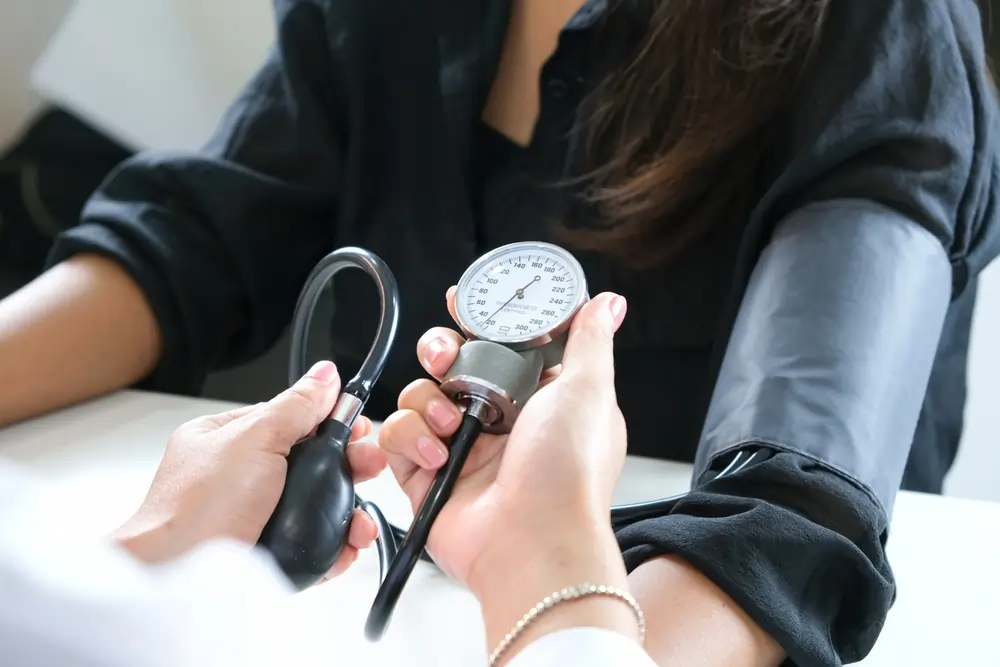
Blood pressure is the force exerted by circulating blood on the walls of the arteries. It is measured using two numbers:
- Systolic pressure (upper number): Pressure when the heart beats
- Diastolic pressure (lower number): Pressure when the heart rests
Blood Pressure Categories:
- Normal: Below 120/80 mmHg
- Elevated: 120–129 / below 80 mmHg
- Hypertension Stage 1: 130–139 / 80–89 mmHg
- Hypertension Stage 2: 140/90 mmHg or higher
Consistently high readings indicate hypertension and require medical attention.
Causes and Risk Factors of High Blood Pressure
Several factors contribute to high blood pressure, including:
- Excessive salt intake
- Obesity or overweight
- Physical inactivity
- Stress and anxiety
- Smoking and alcohol consumption
- Diabetes
- High cholesterol
- Family history of hypertension
- Aging
Identifying these risk factors early helps in better prevention and management.
Natural Ways to Control High Blood Pressure
Lifestyle modifications are the foundation of blood pressure management. In many cases, they can significantly reduce blood pressure and even delay the need for medication.
1. Follow a Heart-Healthy Diet
A balanced diet plays a major role in blood pressure control.
- Reduce salt intake to less than 5 grams per day
- Eat more fruits, vegetables, whole grains, and legumes
- Choose lean proteins like fish and pulses
- Avoid processed, packaged, and fried foods
- Limit sugary drinks and saturated fats
The DASH diet (Dietary Approaches to Stop Hypertension) is widely recommended for people with high blood pressure.
2. Exercise Regularly
Physical activity strengthens the heart and improves blood circulation.
- At least 30 minutes of brisk walking on most days
- Cycling, swimming, or jogging
- Yoga and stretching exercises
- Breathing techniques for stress reduction
Regular exercise can lower blood pressure by 5-10 mmHg.
3. Maintain a Healthy Weight
Excess weight puts additional strain on the heart and blood vessels. Losing even 5–10% of body weight can result in noticeable blood pressure improvement.
4. Reduce Stress and Improve Sleep
Chronic stress and poor sleep can elevate blood pressure
- Practice meditation or mindfulness
- Maintain a regular sleep schedule
- Aim for 7–8 hours of quality sleep
- Reduce screen time before bedtim
5. Quit Smoking and Limit Alcohol
- Smoking damages blood vessels and increases heart risk
- Alcohol should be limited to moderate levels or avoided altogethe
Quitting smoking has immediate and long-term cardiovascular benefits.
Medical Treatment for High Blood Pressure
When lifestyle changes alone are not sufficient, doctors may recommend medications. The choice of medicine depends on age, blood pressure level, and existing medical conditions.
Common Blood Pressure Medications Include:
- Diuretics: Help remove excess salt and water
- ACE inhibitors: Relax blood vessels
- Angiotensin receptor blockers (ARBs): Improve blood flow
- Calcium channel blockers: Reduce heart workload
- Beta-blockers: Slow heart rate and reduce pressure
Medication should always be taken as prescribed, and doses should not be changed without consulting a doctor.
Importance of Regular Monitoring and Follow-Ups
High blood pressure requires continuous monitoring.
- Regular BP checks at home or clinic
- Routine OPD follow-ups
- Periodic blood tests and heart evaluations
- Monitoring for medication side effects
Consistent follow-ups help doctors adjust treatment and prevent complications.
Complications of Uncontrolled High Blood Pressure
If left untreated, hypertension can lead to serious health problems such as:
- Heart attack and heart failure
- Stroke
- Kidney damage
- Vision loss
- Peripheral artery disease
Early control significantly reduces these risks.
When Should You See a Doctor?
You should consult a doctor if:
- Blood pressure readings remain high consistently
- You experience headaches, dizziness, chest pain, or breathlessness
- You have diabetes, kidney disease, or heart problems
- There is a family history of heart disease
Early consultation leads to better outcomes and fewer complications.
Conclusion
High blood pressure is a manageable condition when addressed early and treated correctly. A combination of healthy lifestyle habits, regular monitoring, and medical treatment when required can help maintain normal blood pressure and protect long-term heart health.
Taking control of blood pressure today means investing in a healthier and safer future.