
Many people visit a doctor only when they feel sick. But waiting until you are unwell can sometimes make problems worse. Regular health check-ups are a smart and simple way to stay healthy, prevent diseases, and catch health issues early. They are not just for sick people-everyone, young or old, can benefit from routine screenings.
In this blog, we will explain what health check-ups are, why they are important, who should get them, what tests are included, and tips to make the most of them.
What is a Health Check-up?
A health check-up, also called a preventive health screening, is a thorough examination of your body to understand how healthy you are. It includes:
- Medical history review – The doctor will ask about your family health history, lifestyle habits, and any symptoms.
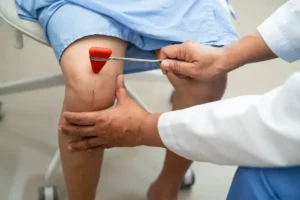
- Physical examination – Checking weight, height, blood pressure, heart rate, and other vital signs.
- Blood tests – To check blood sugar, cholesterol, liver, kidney function, and more.
- Other diagnostic tests – Such as ECG, X-ray, ultrasound, or organ-specific tests based on your age or health risks.
Even if you feel perfectly fine, a check-up can uncover hidden problems that might not show symptoms yet. This is why prevention is always better than cure.
Why Regular Health Check-ups Are Important
1. Early Detection of Health Issues
Many serious diseases, like diabetes, high blood pressure, heart disease, and kidney problems, can develop silently. You may not feel any symptoms until the disease is advanced. Regular check-ups allow doctors to detect these issues early, which makes treatment easier and more effective.
For example, catching high blood pressure early can prevent complications like heart attacks or strokes later in life. Similarly, early detection of high blood sugar can prevent diabetes-related complications.
2. Preventive Care
Health check-ups are not just about finding problems—they also help prevent them. During a check-up, doctors can:
- Suggest diet and exercise changes
- Recommend lifestyle adjustments to reduce risk factors
- Provide vaccinations if required
- Give advice to reduce habits like smoking, alcohol use, or stress
Preventive care reduces the chance of serious illness in the future and helps you stay fit and active.
3. Peace of Mind
Visiting a doctor for regular check-ups gives you mental reassurance. You know exactly how your body is performing, which reduces anxiety about unknown health problems. This peace of mind is important for overall well-being and stress management.
4. Personalized Health Guidance
Everyone’s health is unique. During a check-up, the doctor can provide customized advice based on your age, lifestyle, and family history. They can guide you on:
- Healthy eating habits
- Safe and effective exercise routines
- Ways to manage stress
- Monitoring weight, cholesterol, and blood sugar
This guidance helps you make small, sustainable changes that have a big impact on long-term health.
5. Monitoring Existing Health Conditions
If you already have a health condition, such as diabetes, thyroid disorder, high blood pressure, or heart disease, regular check-ups are essential. They help the doctor:
- Track your progress
- Adjust medications if needed
- Detect complications early
- Ensure that your treatment plan is working effectively
This ongoing monitoring helps you stay healthy and avoid serious complications.
Who Should Get Regular Health Check-ups?
Everyone can benefit from a routine check-up, but certain groups should pay extra attention:
- Adults above 30 years – At least once a year
- People with family history of chronic diseases – Twice a year
- Individuals with unhealthy lifestyles – Those who smoke, drink alcohol, or do little physical activity may need more frequent check-ups
- Older adults and seniors – At least once a year, with extra tests as advised by the doctor
Even young adults and teenagers can benefit from basic screenings to catch early signs of health issues.
Common Tests in a Health Check-up
A standard health check-up includes tests to evaluate your overall health. Some common ones are:
- Blood Pressure & Heart Rate – Checks heart health and identifies hypertension
- Blood Sugar & Cholesterol Tests – Detects diabetes and heart disease risks
- Liver & Kidney Function Tests – Ensures your vital organs are functioning properly
- Complete Blood Count (CBC) – Detects anemia, infections, and blood disorders
- Electrocardiogram (ECG) & Ultrasound – Checks heart function and abdominal organs
- Eye & Dental Check-ups – Detects vision problems and oral health issues
- Specialized Screenings – Based on age, gender, and risk factors (e.g., thyroid tests, cancer screenings, bone density tests)
Regular screenings help doctors detect issues before they become serious, often before any symptoms appear.
Tips for a Successful Health Check-up
- Book your appointment in advance to avoid long waiting times
- Follow fasting instructions if required for blood tests
- Bring old medical records so the doctor has complete information
- Be honest about symptoms and lifestyle habits-even minor issues matter
- Follow the doctor’s advice after the check-up for maximum benefit
Benefits of Regular Health Check-ups in Everyday Life
- Better Lifestyle Choices – Regular check-ups motivate you to eat healthy, exercise more, and reduce bad habits.
- Lower Medical Costs in the Long Run – Preventing diseases or catching them early often reduces expensive treatments later.
- Improved Quality of Life – Being aware of your health allows you to live actively and enjoy daily life.
- Longer Life – Early detection and prevention can add years to your life.
Conclusion
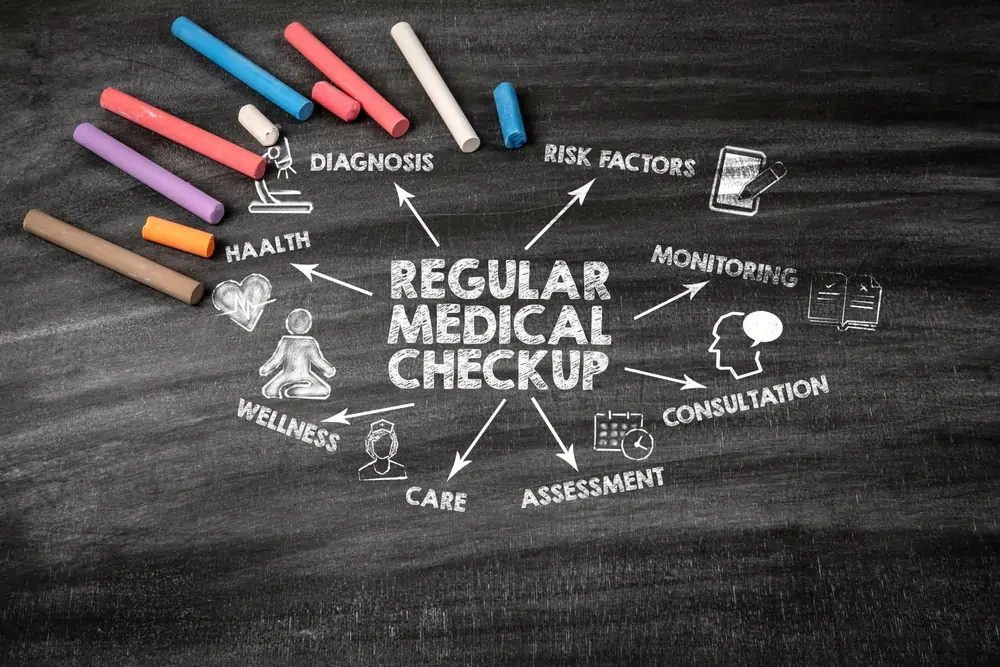
Regular health check-ups are not just a routine-they are a smart investment in your health. They help in early detection, disease prevention, personalized guidance, and peace of mind.
No matter your age or lifestyle, taking care of your health should be a priority. Waiting until you feel sick can be risky, but regular screenings ensure that you stay ahead of health problems.
Start today-schedule a health check-up and take the first step towards a healthier, longer, and happier life!