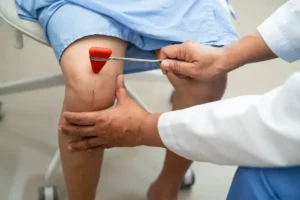


Joint pain is often associated with aging, but in recent years, many young adults have started experiencing discomfort in their knees, shoulders, elbows, and even fingers. Joint pain in young age is becoming increasingly common due to lifestyle changes, stress, and underlying medical conditions. Ignoring early symptoms can lead to chronic problems later in life. Understanding the causes of joint pain in young adults can help prevent long-term damage and improve overall joint health.
What is Joint Pain?
Joint pain refers to discomfort, stiffness, or inflammation in any part of a joint, including cartilage, ligaments, tendons, or bones. In young individuals, it may appear after physical activity or even during rest. While occasional pain may not be serious, persistent joint pain should never be ignored.
Young people often assume that joint problems only affect older adults, but that is not always true. Many medical and lifestyle-related factors can contribute to early joint issues.
Common Causes of Joint Pain in Young Age
There are several reasons why joint pain occurs in young adults. Identifying the root cause is essential for proper treatment and prevention.
1. Sedentary Lifestyle and Lack of Exercise
Modern lifestyles involve long hours of sitting, whether at work, studying, or using mobile devices. A sedentary lifestyle weakens muscles around the joints, reducing support and flexibility. When joints do not move regularly, stiffness and discomfort can develop.
Lack of physical activity also affects blood circulation, which is essential for maintaining healthy cartilage and joint lubrication. Over time, this can result in chronic joint pain.
2. Overuse and Sports Injuries
On the other hand, excessive physical activity without proper warm-up or technique can also lead to joint problems. Young athletes and gym enthusiasts often experience joint pain due to overuse injuries.
Common sports-related causes include ligament strains, tendon inflammation, and cartilage damage. If minor injuries are ignored, they may turn into long-term joint conditions.
3. Obesity and Excess Body Weight
Being overweight puts extra pressure on weight-bearing joints such as the knees, hips, and ankles. Even in young adults, obesity is a major cause of knee pain and joint stiffness.
The added stress accelerates wear and tear of cartilage, increasing the risk of early osteoarthritis. Maintaining a healthy body weight is crucial for preventing joint pain in young age.
4. Nutritional Deficiencies
A balanced diet plays a vital role in joint health. Deficiency of essential nutrients such as Vitamin D, calcium, and omega-3 fatty acids can weaken bones and joints.
Vitamin D deficiency, which is common among young adults who spend most of their time indoors, can lead to bone pain and muscle weakness. Poor nutrition directly impacts the strength and flexibility of joints.
5. Autoimmune Diseases
Certain autoimmune conditions can cause joint pain in young adults. In these disorders, the immune system mistakenly attacks healthy tissues, including joints.
Some common autoimmune causes include:
- Rheumatoid arthritis
- Lupus
- Psoriatic arthritis
These conditions may cause swelling, redness, and stiffness, especially in the morning. Early diagnosis is important to prevent joint damage.
6. Hormonal Imbalance
Hormonal changes, particularly in women, can influence joint health. Conditions such as thyroid disorders or polycystic ovary syndrome (PCOS) may contribute to inflammation and joint discomfort.
Hormones play a role in regulating bone density and muscle strength, which directly affects joint stability.
7. Stress and Mental Health Factors
Chronic stress can lead to muscle tension and inflammation in the body. Many young adults experience body aches and joint stiffness due to anxiety and poor sleep patterns.
Stress-related inflammation can worsen existing joint issues and delay healing from injuries.
Early Symptoms You Should Not Ignore
Recognizing early signs of joint pain in young age can prevent serious complications. Symptoms may include persistent stiffness, swelling around the joints, limited range of motion, and pain that worsens after activity or rest.
If joint pain lasts more than a few weeks or is accompanied by fever, severe swelling, or difficulty walking, medical evaluation is necessary.
How to Prevent Joint Pain in Young Age
Prevention is always better than cure. Adopting healthy habits can significantly reduce the risk of developing chronic joint problems.
Regular moderate exercise such as walking, swimming, or yoga improves flexibility and strengthens muscles around joints. Maintaining a healthy weight reduces pressure on knees and hips. A balanced diet rich in calcium, Vitamin D, and protein supports bone health.
Proper posture while sitting and working is equally important. Young professionals who spend long hours at desks should take short breaks and stretch regularly.
When to See a Doctor
Occasional mild discomfort may resolve on its own, but persistent joint pain should not be ignored. If the pain interferes with daily activities, causes visible swelling, or does not improve with rest, consulting a healthcare professional is recommended.
Early diagnosis helps identify whether the cause is nutritional deficiency, injury, or an underlying medical condition. Timely treatment prevents long-term joint damage and improves quality of life.
Conclusion
Joint pain in young age is no longer rare. Sedentary lifestyles, obesity, nutritional deficiencies, autoimmune diseases, and stress are some of the most common causes of joint pain in young adults. Paying attention to early symptoms and making healthy lifestyle changes can prevent serious complications in the future.
If you are experiencing persistent joint discomfort, seeking medical advice is the safest step toward recovery. Taking care of your joints today ensures a healthier and more active tomorrow.